As ERP programmes grow in scale and complexity, many organizations continue to underestimate one of the most critical drivers of success: user adoption. While significant attention is often placed on system design, data migration, and technical delivery, the ability of users to understand, adopt, and sustain new ways of working remains a defining factor in whether transformation efforts deliver long-term value.
In practice, this is where many ERP initiatives fall short. Training is frequently treated as a late-stage activity rather than a strategic component of transformation, leading to gaps between system capabilities and real-world usage. As cloud ERP platforms introduce continuous updates and more dynamic operating models, the role of training is also evolving—from a one-time project task to an ongoing organisational capability.
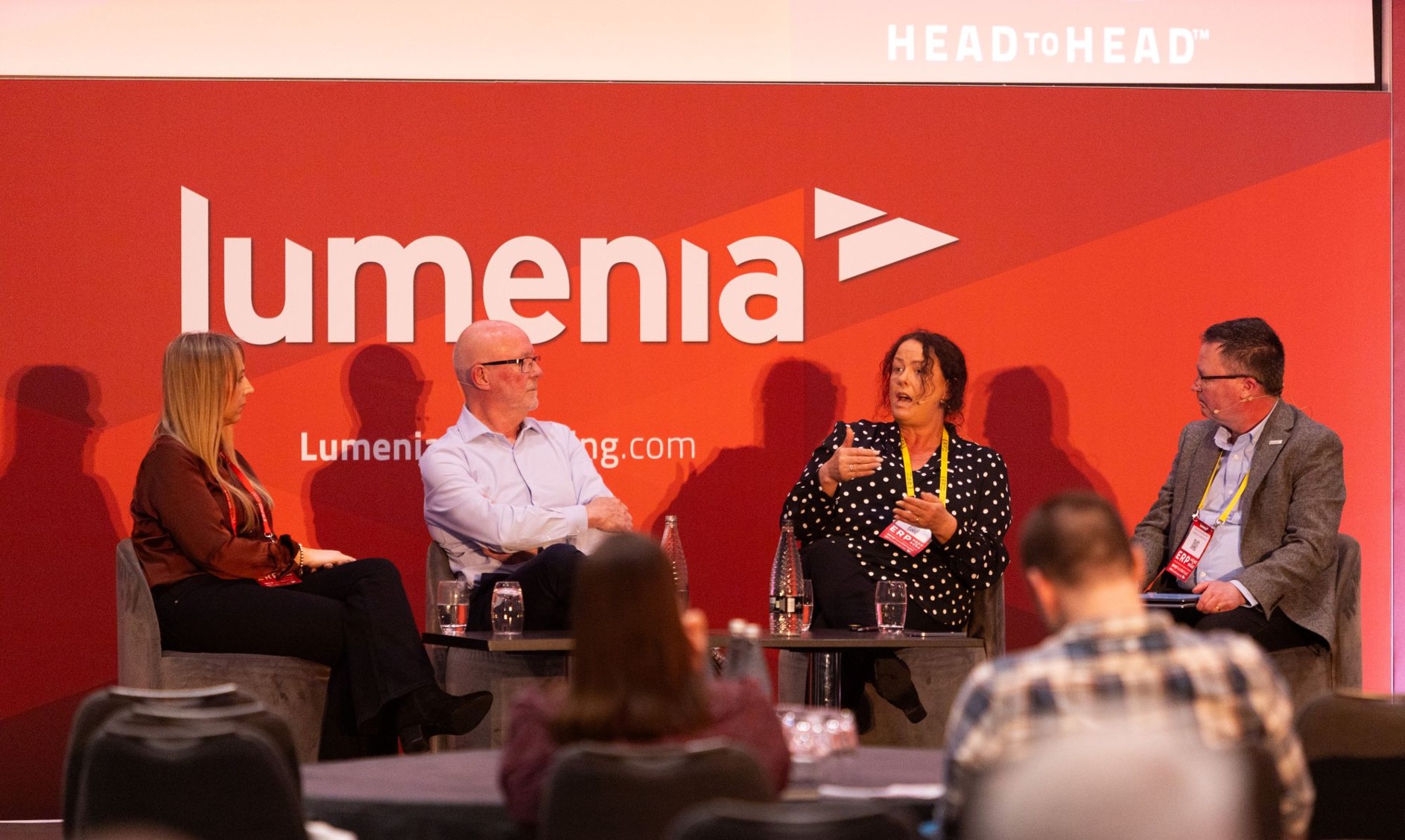
In this ERP News Q&A, Joanne Harrison, Sales Director and Owner at Optimum, shares insights from supporting over 800 global ERP programmes, discussing why training must be embedded into transformation strategy, how organisations can drive sustainable adoption, and what the future of ERP learning will look like in an increasingly continuous and AI-supported environment.

Why Training Remains Undervalued in ERP Transformation
Q: Large-scale ERP transformations often focus heavily on technology — where do you see organisations underestimating the role of training and user adoption?
A: Many organisations still view training as a downstream activity that happens once the system is built, rather than as a core enabler of transformation. As a result, training is often compressed into a short window before go-live and treated as system instruction rather than behavioural change.
What is frequently underestimated is the impact of role-specific, process-led training on productivity, confidence, and early system stabilisation. Without this, users may technically know where to click, but they do not understand how the new system supports the way the business is meant to operate. This disconnect is one of the most common causes of low adoption, workarounds, and delayed realisation of benefits.
Many organisations still view training as a downstream activity that happens once the system is built, rather than as a core enabler of transformation.
Managing Complexity Across Global ERP Programmes
Q: In a multi-country S/4HANA programme like Asahi’s, what are the biggest challenges in delivering consistent training across regions, languages, and business units?
A: The biggest challenge is balancing global consistency with local relevance. Global programmes need a common process and data model, but local teams still operate within different regulatory environments, cultures, and levels of ERP maturity.
From a training perspective, inconsistency often creeps in when materials are reused without sufficient localisation, or where delivery approaches vary significantly between regions. Language translation alone is rarely sufficient. Effective global training programmes adapt examples, terminology, and emphasis to reflect how users work locally, while still reinforcing the global design and core business processes.
A critical success factor is having a central figure or function overseeing the global training workstream. Strong PMO-style oversight provides a single coordination point, ensuring clarity, consistency, and alignment across regions. This role helps manage training resources, onboarding and off‑boarding, system access, delivery schedules, and risk management, while maintaining clear communication between global and local teams. Combined with strong governance, a clear training architecture, and centrally managed core content supported by structured local adaptation, this approach is essential to maintaining quality and consistency at scale.
What Separates Successful ERP Adoption from Post-Go-Live Struggles
Q: From your experience, what differentiates organisations that successfully drive ERP adoption from those that struggle post go-live?
A: Organisations that succeed put people and processes on an equal footing with technology from the very start. They invest time in understanding who their users are, what will change for them, and how success will be measured beyond go-live. Crucially, they recognise that ERP adoption is a change management challenge as much as a technical one.
It is no coincidence that many high-profile ERP programmes that struggle or fail cite insufficient change management and user adoption as key contributing factors. Where organisations underestimate the scale of behavioural change required, even well-designed systems can fail to deliver value.
Successful organisations also view go-live as a transition point, not an endpoint. They plan for reinforcement, ongoing support, and continuous learning, ensuring users — and importantly new joiners — have access to guidance when they need it. In contrast, organisations that struggle often rely on one‑off training events and assume adoption will follow naturally, which rarely happens in complex ERP environments.
Organisations that succeed put people and processes on an equal footing with technology from the very start.
ERP Training Is Becoming a Continuous Capability
Q: How is the role of ERP training evolving as organisations move from one-time implementations to continuous transformation cycles?
A: ERP training is shifting from a project-based activity to an ongoing capability. With cloud ERP platforms delivering frequent updates and enhancements, organisations can no longer rely on static training materials or infrequent refresher sessions.
Training now needs to support continuous learning, rapid onboarding, and just-in-time support. This requires modular content, digital delivery models, and stronger internal ownership. Increasingly, organisations are also focusing on building internal training capability through super users and centres of excellence, rather than relying solely on external support.
Q: To what extent should training be integrated into the overall transformation strategy, rather than treated as a supporting function?
A: Training should be fully embedded within the transformation strategy, not treated as a parallel workstream or afterthought. Decisions made during system design, process design, and data migration all directly affect how users need to be trained.
When training is considered early, it can provide valuable feedback on usability, complexity, and readiness. It also ensures that change messages are consistent and reinforced throughout the programme. Ultimately, training is the primary mechanism through which transformation is realised at an end user level.

Bridging the Gap Between System Design and User Readiness
Q: What are the most common gaps you see between system design and user readiness in large ERP programmes?
A: A common gap is the assumption that a well-designed system will naturally be intuitive for users. In reality, ERP systems reflect integrated, end-to-end processes that may be very different from legacy ways of working.
Users are often not prepared for changes in accountability, data ownership, or cross-functional dependencies. Training that focuses solely on transactions, without explaining the wider process context and business rationale, leaves users unprepared for these shifts. Addressing this gap requires training that mirrors the actual system build and clearly explains the “why” behind the change.
How AI and Digital Learning Platforms Are Reshaping ERP Training
Q: How are digital learning platforms, AI, or automation changing the way enterprises approach ERP training at scale?
A: Digital learning platforms have significantly improved organisations’ ability to train large, geographically dispersed user populations more efficiently and flexibly. Self-paced learning, blended approaches, and role-based learning journeys are now standard expectations rather than innovations, particularly for high-volume or light-touch user groups.
AI and automation are beginning to enhance this further through personalised learning paths, content recommendations, and faster content creation. These capabilities can be highly effective for supporting everyday tasks and reinforcing knowledge at scale. However, technology alone is not the solution. Digital adoption platforms have inherent limitations when it comes to complex, judgement-driven processes, cross-functional scenarios, and regulatory or compliance-heavy environments.
As a result, organisations achieving strong ERP adoption increasingly recognise digital learning tools as important supplements rather than substitutes for expert-led training. Traditional classroom-based and instructor-led sessions continue to play a vital role, particularly for users experiencing significant change, those with high system usage, or where deeper process understanding is required.
The most effective ERP training strategies combine digital learning with strong instructional design, domain expertise, and human facilitation. This blended approach ensures users not only know how to perform tasks but understand the wider business context and can apply learning with confidence, laying the groundwork for sustainable adoption and long-term operational excellence.
Balancing Global Standardisation with Local Relevance
Q: In global programmes, how do you balance standardisation with the need for local relevance in training content and delivery?
A: The most effective approach is to standardise structure and core content, while allowing controlled localisation. This means a single global training framework, common learning objectives, and consistent messaging, supported by regionally adapted examples, language, and delivery formats.
A critical enabler of this balance is structured knowledge transfer with subject matter experts (SMEs) across regions. Early engagement with local SMEs allows training consultants to capture regulatory nuances, process variations, and practical ways of working, ensuring these details are accurately reflected within both the training materials and delivery approach, without undermining the global design.
Clear governance remains essential, alongside centrally managed materials and the use of trainer packs. Together, these ensure that regardless of who delivers the training or where it takes place, users receive a consistent learning experience that still feels relevant, credible, and aligned to their local reality.
Why Post-Go-Live Support Matters More Than Ever
Q: What role does ongoing support and knowledge management play after initial training is completed?
A: Ongoing support is essential to sustaining adoption and business performance post go-live. Users inevitably encounter scenarios that were not covered in training or simply need reassurance when working through new processes.
Well-structured knowledge management, including reference guides, quick cards, digital learning content, and access to knowledgeable support, reduces reliance on informal workarounds and key individuals. It also helps organisations retain knowledge as teams change and systems evolve.
The Future of ERP Learning and Organisational Readiness
Q: Looking ahead, how do you see ERP training evolving over the next few years as enterprise systems become more complex and continuously updated?
A: ERP training will become more continuous, more personalised, and more closely aligned to ongoing business change. As cloud-based ERP platforms evolve more rapidly, training content will need to be easier to update, quicker to deploy, and embedded into day‑to‑day operations rather than delivered as a one‑off event.
We are already seeing a significant increase in demand for structured ERP training services, with organisations clearly taking the training and adoption phase more seriously and involving it much earlier in the programme lifecycle. Training is increasingly viewed as a strategic enabler of value, rather than a reactive activity once the system is built.
ERP training will become more continuous, more personalised, and more closely aligned to ongoing business change.
A similar shift is also emerging among ERP vendors and implementation partners. As subscription‑based commercial models become the norm, there is a growing recognition that long‑term success depends on effective adoption and sustained system usage. Ensuring users are confident, competent, and supported post go‑live is now as important as delivering the technology itself.
Looking ahead, we expect organisations to place even greater emphasis on building internal training capability, supported by high‑quality digital assets, strong governance, and expert guidance. Ultimately, the most successful ERP programmes will be those that treat learning as a strategic investment, enabling their workforce to adapt alongside their systems and fully realise long‑term value.
About Joanne Harrison, Optimum Sales Director and Owner
Jo Harrison is Sales Director and Owner of Optimum, an independent ERP training and change consultancy focused on driving user adoption. Having been with Optimum since its founding in 1998, Jo leads the company’s commercial strategy, business development, and client partnerships.
Under her leadership, Optimum has supported over 800 global ERP programmes across a wide range of industries and platforms, including Microsoft Dynamics 365, SAP, Oracle and IFS. Jo is passionate about the people side of ERP transformation and believes technology only delivers value when users are confident, capable, and supported in new ways of working.

ERP News Editorial Team
The ERPNews Editorial Team covers global developments in ERP (Enterprise Resource Planning), enterprise software, cloud platforms, AI, automation, and digital transformation, providing independent news and editorial analysis for senior business and technology leaders. Our reporting focuses on market signals, strategic shifts, and enterprise impact across the ERP and enterprise technology ecosystem.
For editorial inquiries, please contact:
📩 [email protected]