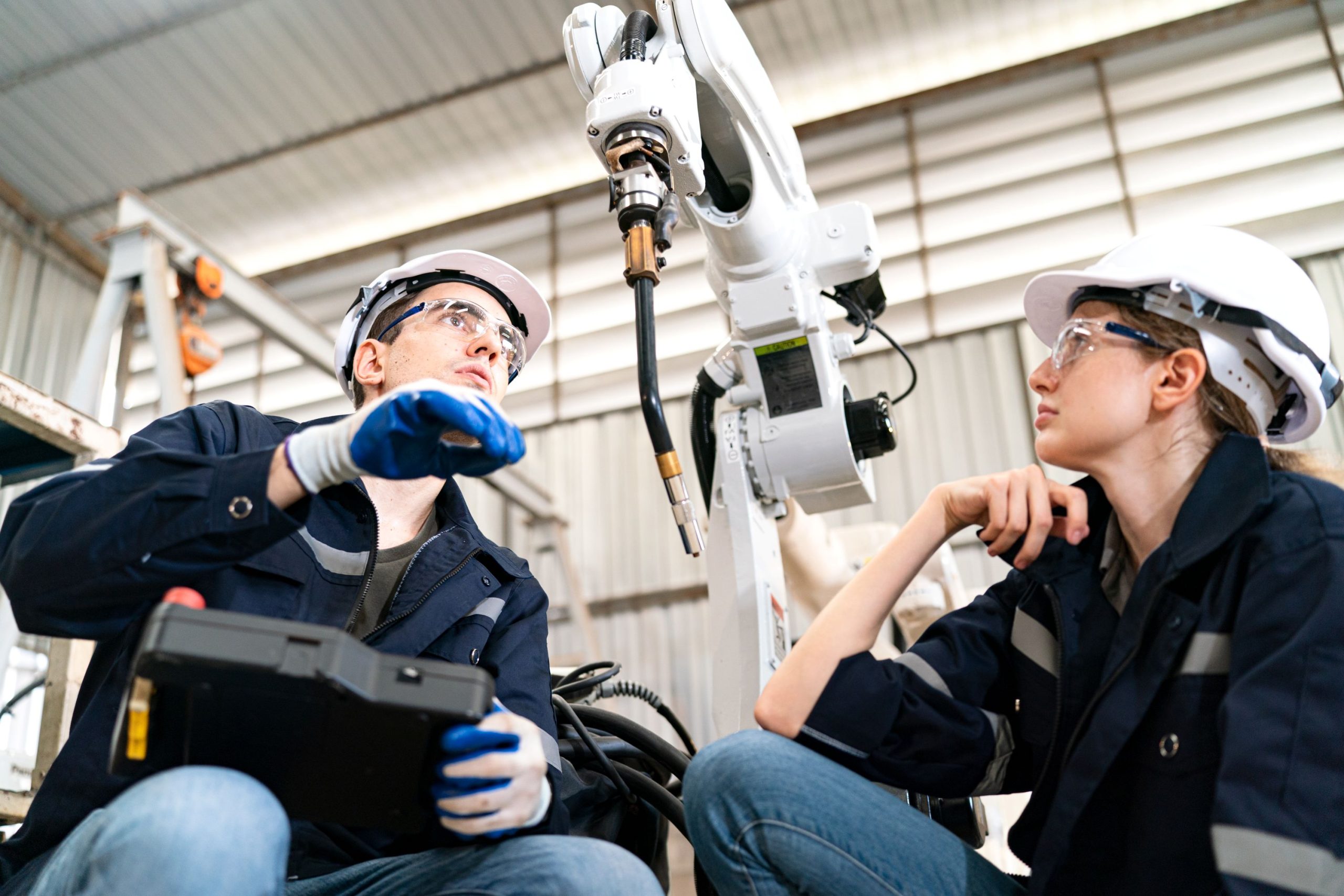
Industrial operations involve complex processes, heavy machinery, and fast-moving environments where safety must remain a constant priority.
For instance, an explosion at the US Steel Clairton Coke Works plant in Pennsylvania killed two and injured ten workers. It resulted from multiple blasts that occurred around 10:51 a.m. on August 11, 2025. This prompted a large-scale emergency response and a search-and-rescue operation to recover workers trapped in the wreckage.
Effective use of relevant data can minimize such incidents. Organizations that operate at scale often struggle with fragmented safety data, delayed incident reporting, and inconsistent compliance monitoring across departments.
Enterprise Resource Planning (ERP) systems offer a centralized solution that connects data from different sources. These systems allow companies to collect and analyze safety-related information in real time and integrate it into broader operational workflows.
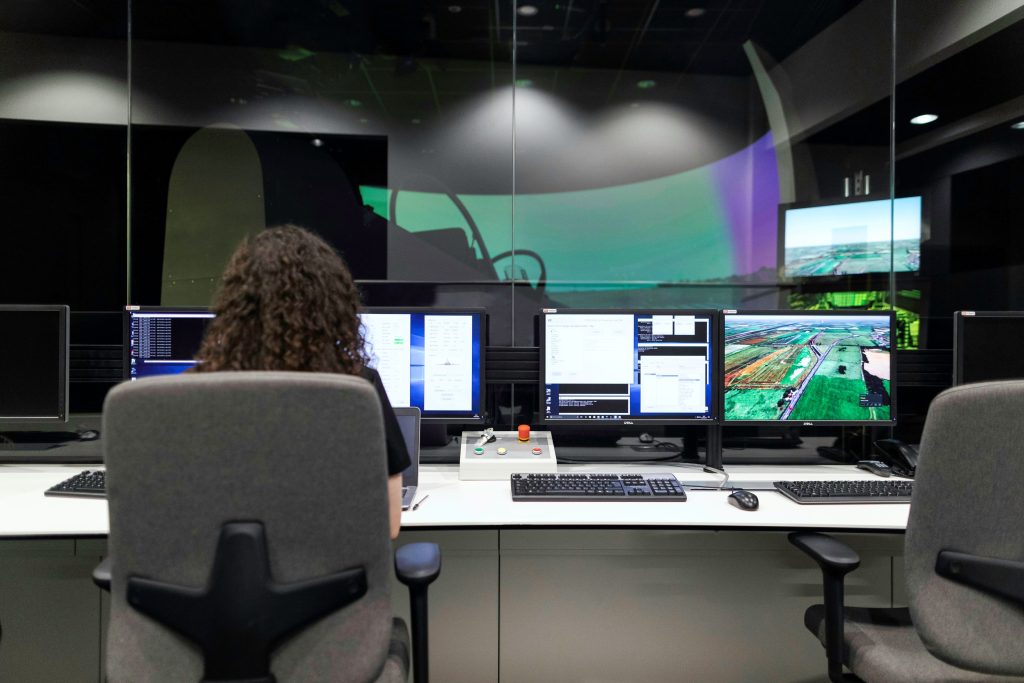
Centralizing Workplace Safety Data Across Operations
One of the biggest challenges in industrial safety management is the fragmentation of information. Incident reports, maintenance records, equipment inspections, and employee training documentation often exist across different systems or departments.
ERP systems address this issue through centralized data integration. As IBM defines it, ERP integration is the process of connecting an enterprise resource planning system with other business applications.
This is done so that data can flow automatically between systems rather than remain isolated on separate platforms. This integration allows organizations to automate workflows, improve visibility across operations, and make faster decisions based on consistent data.
Data centralization is one of the core reasons behind ERP growth. The ERP software market is expected to grow at a CAGR of 3.5% from 2026 to 2030. It will reach $67.27 billion by 2030.
Safety-related information can be logged directly into the platform and accessed by multiple departments. A centralized system ensures that every incident, inspection, or safety observation becomes part of a unified data environment.
Real-Time Incident Reporting and Response
The increasing frequency and complexity of incidents across sectors underscore the need for more advanced incident-reporting systems. Traditional manual reporting methods often suffer from delays, errors, and limited analytical capabilities, hindering timely decision-making.
Effective automation can be introduced with technologies such as machine learning, natural language processing, real-time analytics, and artificial intelligence. This can detect, classify, and report incidents while generating predictive insights.
ERP platforms introduce digital incident-reporting tools that enable employees and supervisors to log safety events immediately. Real-time reporting allows organizations to trigger automated workflows that notify safety teams, supervisors, and operational leaders when incidents occur. This immediate communication supports faster investigation, corrective action, and documentation.
The ability to capture detailed data at the moment of an incident also improves long-term analysis. Safety teams can review patterns in workplace accidents, near misses, or equipment failures. These insights allow organizations to strengthen preventive measures and develop more informed safety protocols across industrial operations.
Connecting Safety Tracking With Accountability and Compliance
ERP safety tracking does more than just document incidents. It also supports compliance with occupational safety regulations and internal accountability standards.
Consider the blasts at the Pennsylvania plant mentioned above. In such cases, workers have the right to contact lawyers if they don’t get fair compensation for their problems.
According to Frank Piscitelli attorney, lawyers have the right expertise to calculate the full extent of the victims’ damages. They can even represent their clients in their fight to get appropriate compensation.
Thus, workers can connect with an experienced lawyer in the local area to proceed legally. ERP systems can help in such legal proceedings during investigations.
Accurate records of workplace conditions, safety procedures, and incident responses recorded in ERP systems can provide valuable context. Reliable records allow organizations to demonstrate how safety protocols were implemented and how incidents were addressed in real time. Thus, it can be useful for both employers and workers to demonstrate fault and accountability.
Integrating Safety Monitoring With Equipment Maintenance
Due to heavy machinery, equipment reliability is a significant factor in workplace safety across industrial environments. Malfunctioning machinery, worn components, or missed maintenance schedules can increase the likelihood of accidents.
ERP systems connect maintenance management with safety tracking, creating a more comprehensive approach to operational risk management. Maintenance teams can record inspection results, repair activities, and equipment performance data within the same platform used for safety reporting.
When maintenance records are linked to safety events, organizations gain a clearer understanding of how equipment conditions influence workplace incidents. As a Forbes article notes, technologies such as artificial intelligence (AI) can further improve safety through predictive maintenance.
AI can leverage an ERP system’s centralized data to forecast incidents and predict equipment failure. This can help monitor and track any potential equipment-related workplace hazards before they become severe.
Automated maintenance scheduling within ERP systems also helps reduce the chances of equipment-related hazards. Alerts can notify technicians when inspections are required, ensuring that machinery remains in safe working condition across industrial facilities.
Using ERP Analytics to Identify Safety Risks
ERP platforms provide powerful analytical tools that help organizations identify safety risks before they lead to accidents. Data collected from incident reports, maintenance logs, and operational metrics can be analyzed to reveal patterns that might otherwise go unnoticed.
An MDPI study examines how ERP systems improve health, safety, and environmental (HSE) management by integrating real-time monitoring tools. They also facilitate compliance tracking and risk mitigation. The research identifies the most influential factors affecting successful ERP implementation in HSE practices.
The results show that safety-related metrics such as incident frequency, fatality rates, and injury tracking are the most significant drivers. These are followed by technology adoption, employee engagement and training, and incident response time.
The study also recommends strengthening predictive safety analytics, improving mobile access for real-time reporting, and expanding training programs.
Predictive analytics within ERP systems can also highlight potential safety issues based on historical trends. Early identification of risk factors allows organizations to address hazards proactively rather than reacting after an incident occurs.
Frequently Asked Questions
What role does mobile technology play in ERP-based safety tracking?
Mobile access enhances the effectiveness of ERP safety systems by enabling workers and supervisors to report incidents directly from the worksite. Field employees can upload photos, add detailed descriptions, and submit reports immediately through mobile applications connected to the ERP platform. Faster reporting improves documentation accuracy and allows safety teams to respond before conditions worsen.
How can ERP systems support safety audits and inspections?
Safety audits and inspections require consistent documentation and follow-up procedures. ERP systems can schedule inspections, store historical records, and track whether corrective actions have been completed. Auditors can review inspection logs, equipment maintenance history, and employee training records in one place.
Can ERP platforms help companies measure long-term safety performance?
ERP systems allow organizations to monitor safety performance over extended periods through detailed reporting and historical data analysis. Companies can review metrics such as incident frequency, lost-time injuries, or near-miss trends across months or years. Long-term visibility helps safety teams evaluate whether prevention programs and training initiatives are improving workplace conditions.
Workplace safety remains a fundamental responsibility for organizations operating in industrial environments. As operations grow more complex and distributed, traditional safety management methods struggle to keep pace with the scale of modern industry.
ERP systems provide a structured framework that connects safety tracking with operational data, workforce management, and compliance documentation. Centralized reporting, real-time incident tracking, and advanced analytics allow organizations to identify risks earlier and respond more effectively to workplace hazards.