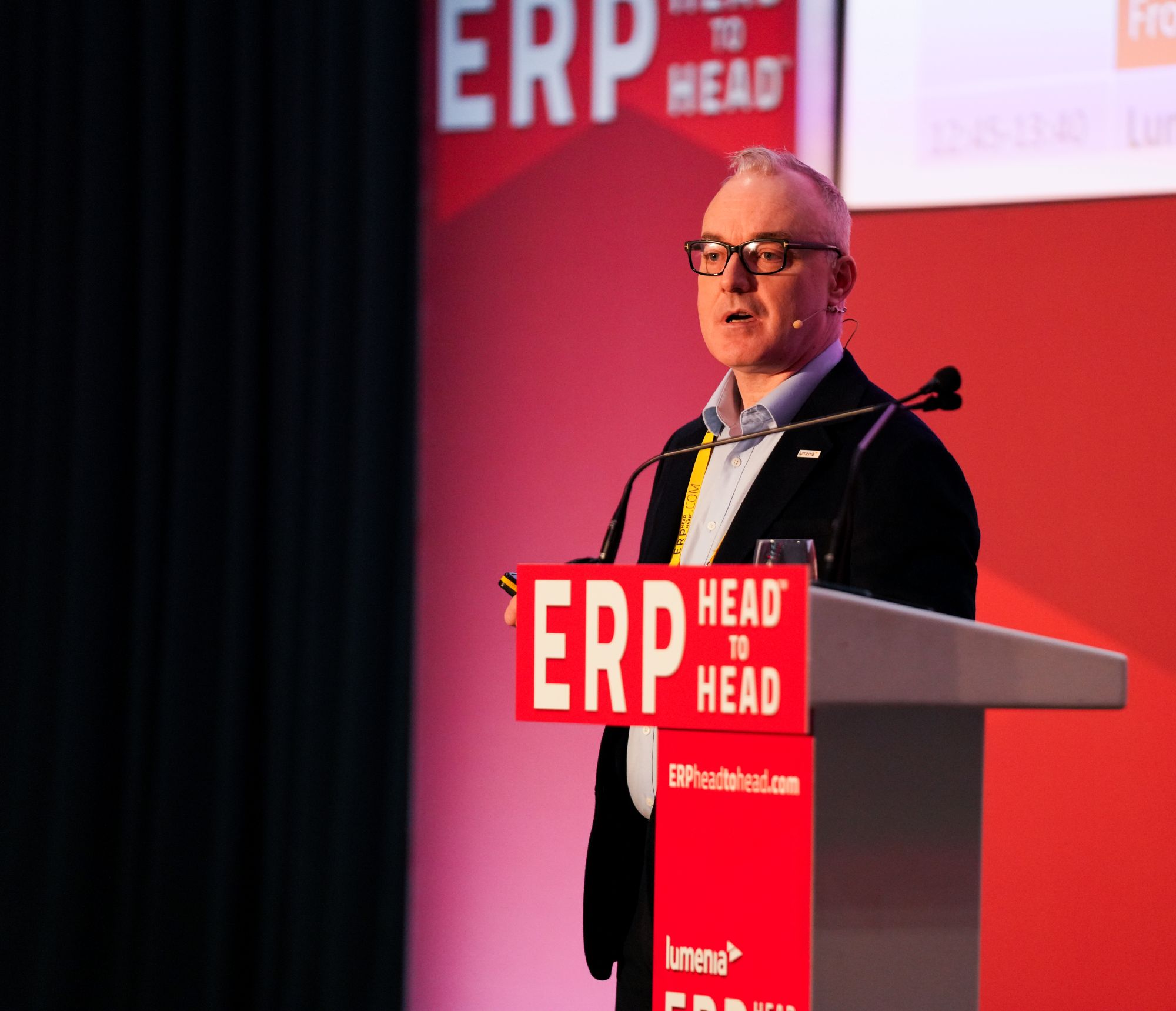
The latest edition of ERP HEADtoHEAD™ has underscored the growing need for structured ERP evaluation as organizations navigate an increasingly complex transformation landscape.
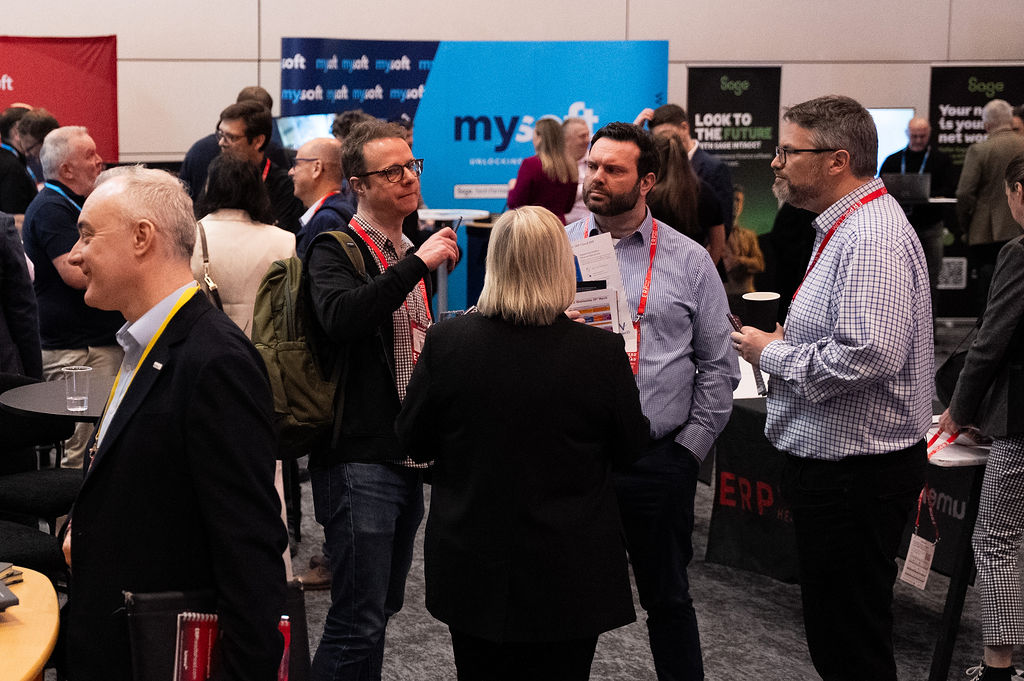
Held in Birmingham, the 2026 event brought together more than 180 senior ERP buyers and project teams across industries, marking the highest level of engagement in the event’s history. What emerged over the two-day program was not just interest in technology, but a deeper focus on how organizations can make confident ERP decisions in an environment shaped by AI acceleration, resource constraints, and ongoing uncertainty.
A Format Designed for Real Decision-Making
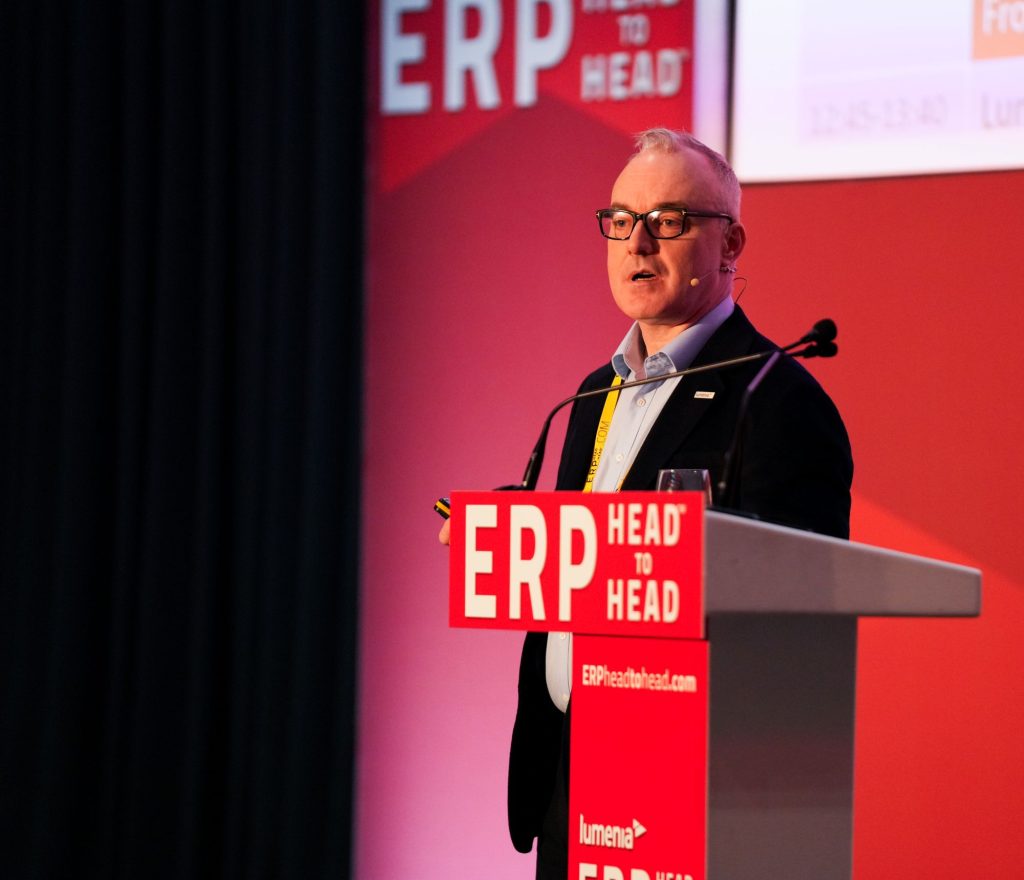
Unlike traditional ERP events, ERP HEADtoHEAD™ is built around structured, script-based demonstrations, allowing participants to compare multiple ERP solutions against identical business scenarios.
This approach continues to resonate with decision-makers. CFOs, CIOs, and transformation leaders are increasingly seeking clarity over complexity—particularly as ERP ecosystems expand and vendor positioning becomes harder to differentiate.
With 14 ERP vendors and six complementary solution providers participating, alongside expert panels and advisory sessions, the event provided a controlled environment for evaluating systems beyond surface-level presentations.
AI Moves from Concept to Execution Layer
One of the most prominent themes across the event was the growing interest in agentic AI and its role within ERP environments.
Rather than focusing on isolated use cases, attendees showed particular interest in how AI can support decision-making and workflow orchestration across finance, operations, and supply chain processes.
This reflects a broader shift in the ERP market: AI is no longer viewed purely as an analytical layer, but increasingly as part of operational execution.
Change Management Remains the Defining Factor
Despite rapid advances in technology, one message remained consistent throughout the event: successful ERP transformation is still primarily determined by organizational readiness.
Discussions repeatedly returned to:
- End-user alignment
- Process governance
- Internal capability to manage change
For many attendees, these factors were seen as more critical than the choice of platform itself—a reminder that ERP projects continue to be as much about people and processes as they are about technology.
Balancing Transformation with Business Reality
Another recurring theme was the tension between long-term transformation goals and short-term operational pressures.
Organizations are increasingly required to:
- Deliver major ERP programs
- Maintain business-as-usual operations
- Navigate economic uncertainty simultaneously
This balancing act is shaping how ERP initiatives are planned, resourced, and phased—often leading to more structured and cautious decision-making approaches.
Cloud Migration Still Presents Friction
While cloud adoption remains a strategic priority, many organizations continue to face practical challenges in transitioning from legacy systems.
Attendees highlighted concerns around:
- Customization complexity
- Integration dependencies
- Unclear migration pathways
These challenges are contributing to a more measured approach to cloud ERP, where the focus is shifting from “if” to “how” and “when.”
A Maturing ERP Buyer Landscape
According to Ian O’Toole, Managing Partner at Lumenia Consulting:
“Many buyers spoke openly about the challenge, and necessity, of resourcing major transformation programmes alongside the ongoing demands of business-as-usual in a volatile global economy.”
This reflects a more mature buyer landscape, where organizations are increasingly willing to challenge assumptions, compare alternatives rigorously, and seek independent perspectives.
A Continued Shift Toward Evaluation-Led ERP Decisions
ERP HEADtoHEAD™ continues to gain relevance not simply because of its scale, but because of its format.
As ERP decisions become more complex—and more consequential—the ability to evaluate systems in a structured, comparable way is becoming increasingly valuable.
With the next edition already confirmed for March 2027 in Birmingham, the trajectory suggests that demand for this type of evaluation-led engagement will continue to grow.

ERP News Editorial Team
The ERPNews Editorial Team covers global developments in ERP (Enterprise Resource Planning), enterprise software, cloud platforms, AI, automation, and digital transformation, providing independent news and editorial analysis for senior business and technology leaders. Our reporting focuses on market signals, strategic shifts, and enterprise impact across the ERP and enterprise technology ecosystem.
For editorial inquiries, please contact:
📩 [email protected]