Enterprises are facing increasing pressure to strengthen security across both digital systems and physical environments. Traditional approaches often treat these areas separately, creating gaps that can expose organizations to risks. As threats become more complex, businesses are looking for integrated solutions that offer better visibility and control.
ERP systems are evolving to meet this need by connecting data, processes, and security functions within a single platform. This integration allows organizations to monitor activities, manage access, and respond to incidents more effectively. In this article, we’ll examine how modern ERP platforms are bridging the gap between operational systems and enterprise security.
The Convergence of Physical and Digital Security in ERP
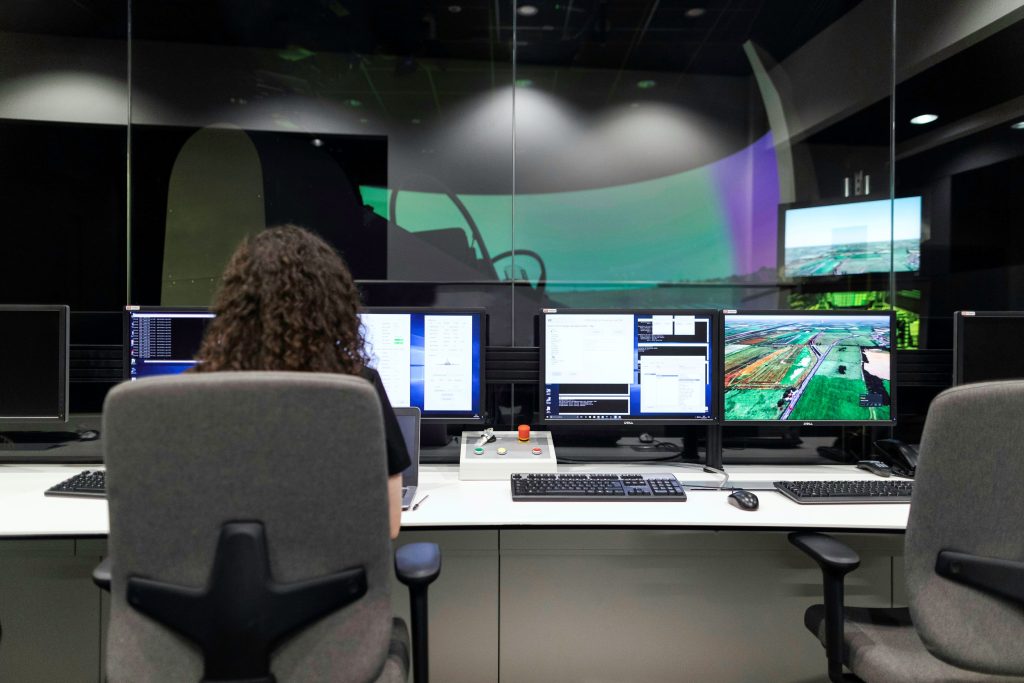
Organizations are increasingly merging physical and digital security to create more unified and resilient enterprise environments. ERP systems play a key role by connecting access control, surveillance, and cybersecurity data within a single platform. This integration improves visibility and enables faster responses to potential risks.
However, an MDPI study highlights that combining physical and digital systems increases the risk of sensitive data exposure, including passwords and personal information. It stresses the importance of strong data encryption and secure user verification methods like two-factor authentication. These measures help prevent unauthorized access and strengthen overall protection.
Businesses must adopt secure, integrated ERP systems to manage these evolving risks effectively.
Integrating Access Control and Screening Systems
ERP systems are increasingly used to manage entry logs, access permissions, and real-time movement tracking across facilities. This centralized control improves visibility and ensures that only authorized individuals can access sensitive areas.
In high-traffic environments, maintaining security without disrupting flow is equally important. Modern solutions are designed to provide seamless and non-intrusive screening experiences for users. For example, OPENGATE metal detectors enable continuous pedestrian movement while detecting potential threats efficiently.
GXC Inc. explains that when sensors detect a metal object matching defined threat criteria, the system responds instantly. It activates both sound alerts and visual signals to notify security personnel.
Such systems align well with ERP-driven infrastructure by feeding data into unified monitoring platforms. By combining advanced screening with system integration, businesses can enhance safety while preserving convenience. This balance is essential for creating secure, efficient, and user-friendly environments.
Real-Time Monitoring and Data Integration
Real-time monitoring enables organizations to track security events across physical and digital systems through centralized ERP platforms. Integrating data from access controls, sensors, and cybersecurity tools improves visibility and supports faster decision-making. This unified approach helps detect unusual patterns and respond to potential threats more effectively.
According to Cybersecurity Insiders, 94 percent of organizations report increased insider risk due to AI, with 74 percent calling it moderate or significant. At the same time, many are adopting AI-powered detection tools to manage these risks. This shows how AI is expanding vulnerabilities while also strengthening defense capabilities. Businesses must rely on integrated, real-time data to stay secure at scale.
Enhancing Risk Management and Compliance
A study published in Corporate Compliance Insights found that 59 percent of companies always compromise on compliance due to business pressures. It further found that 16 percent of companies compromise on compliance on a regular basis. The study also showed that 80 percent of organizations do not have a dedicated strategy to manage generative AI risks.
These findings highlight how complex and challenging compliance has become for modern businesses. ERP systems help address these gaps by centralizing data, standardizing processes, and enabling continuous monitoring across operations. Features such as audit trails, automated reporting, and controlled access improve transparency and accountability.
By embedding compliance into daily workflows, ERP platforms enable organizations to manage risks more proactively. They also help maintain consistent governance across both physical and digital environments.
Role of Automation and AI in Security Integration
AI-powered systems can analyze large volumes of data in real time, helping identify anomalies and potential security threats early. These tools improve detection accuracy and enable faster responses to incidents across both physical and digital environments. They also provide context across systems, reducing gaps caused by disconnected data sources.
According to McKinsey, organizations are using AI to shorten detection and response times while staying ahead of advanced attacks. It also notes that over 90 percent of cybersecurity AI capabilities are expected to come from third-party providers. This makes advanced solutions easier to adopt.
By integrating automation and AI, ERP systems can strengthen security while improving efficiency.
Challenges and Future of Integrated Security Systems
Integrating physical and digital security systems presents challenges related to complexity, cost, and data privacy concerns. Many organizations struggle with aligning legacy systems with modern, connected ERP platforms. Ensuring secure data flow across multiple systems also increases the risk of vulnerabilities if not managed properly.
Additionally, maintaining compliance across different regions and regulations can be difficult for global enterprises. Despite these challenges, the future of integrated security is rapidly evolving. Advancements in AI, automation, and real-time analytics are making systems more adaptive and intelligent.
Businesses are moving toward scalable, unified security frameworks that offer better control and visibility. Organizations that invest in these integrated approaches will be better prepared to handle emerging security risks effectively.
Frequently Asked Questions
What industries benefit most from integrated security within ERP systems?
Industries like manufacturing, healthcare, retail, finance, and logistics benefit most from integrated ERP security. These sectors handle sensitive data and physical assets, requiring strong coordination between digital systems and on-site security to ensure compliance, safety, and efficient operations.
What are the biggest risks of not integrating physical and digital security?
Not integrating physical and digital security can lead to data breaches, unauthorized access, and delayed threat detection. Disconnected systems create visibility gaps, increasing vulnerability to attacks. It also weakens compliance, slows response times, and exposes organizations to operational disruptions and financial losses.
What skills are required to manage integrated ERP security systems?
Managing integrated ERP security systems requires skills in cybersecurity, data analysis, and system integration. Professionals should understand access control, risk management, and compliance standards. Knowledge of AI tools, ERP platforms, and real-time monitoring systems is also essential for effective security management.
Building Secure and Connected Enterprise Ecosystems
Integrating physical and digital security through ERP systems is becoming essential for modern enterprises facing evolving risks. A unified approach improves visibility, strengthens control, and enables faster, more effective responses to threats. As technologies like AI and real-time data integration advance, businesses can build more adaptive and resilient security frameworks.
However, success depends on balancing innovation with strong compliance and data protection practices. Organizations that invest in integrated ERP security solutions will be better equipped to safeguard operations, maintain trust, and navigate an increasingly complex security landscape.