
For many retailers operating across complex inventory environments, eCommerce growth is often limited not by customer demand, but by the inability of disconnected ERP and commerce systems to operate in real time.
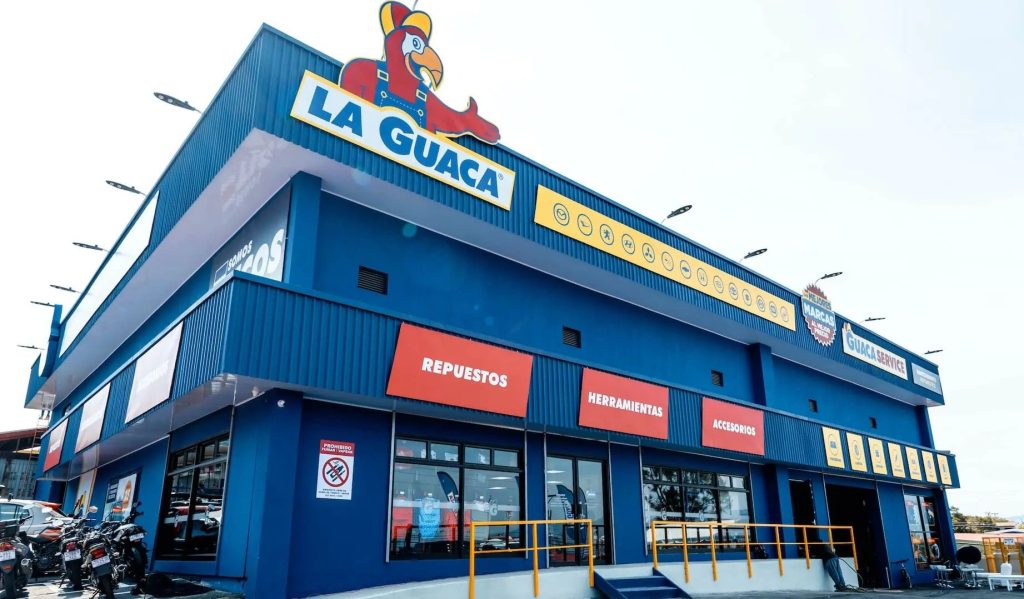
That challenge became particularly visible for Costa Rica-based La Guaca Auto Parts, one of the country’s largest automotive parts retailers, which has now reported a 600% increase in online orders following the integration of its X-Cart eCommerce platform with its proprietary ERP system using Codeless Platforms’ BPA Platform.
The project reflects a growing trend across ERP modernization initiatives where integration and operational orchestration are becoming central to digital commerce scalability — especially for businesses managing highly dynamic inventory, pricing, and fulfillment environments.
According to the company, the integration now synchronizes more than 36,000 automotive products while automating inventory availability, pricing updates, customer data flows, and sales order processing across both online and branch operations.
ERP Integration Becomes Critical for Omnichannel Growth
Like many organizations operating legacy or proprietary ERP environments, La Guaca faced a growing disconnect between operational systems and customer-facing commerce experiences.
While its ERP platform supported core business operations, the company’s online commerce capabilities remained constrained by limited access to live ERP data, creating operational friction around inventory visibility, pricing consistency, and order management.
“We were facing a complex challenge integrating X-Cart with our proprietary ERP, especially without any off-the-shelf connectors to rely on,” said Marcial Fallas, Brand Experience Coordinator at La Guaca Auto Parts.
“As a result, eCommerce growth was constrained and online sales represented an underdeveloped channel.”
The challenge extended beyond standard product synchronization. Automotive retail environments introduce additional operational complexity through vehicle compatibility relationships, branch-specific inventory dependencies, fulfillment orchestration, and highly dynamic pricing structures.
At the same time, La Guaca needed to support a proprietary proforma ordering process tightly connected to ERP logic before transactions could be finalized.
The company ultimately worked with an eCommerce solutions provider to build an enterprise-grade automotive commerce environment on X-Cart while using BPA Platform as the integration and orchestration layer between systems.
Real-Time ERP Connectivity Supports Operational Scale
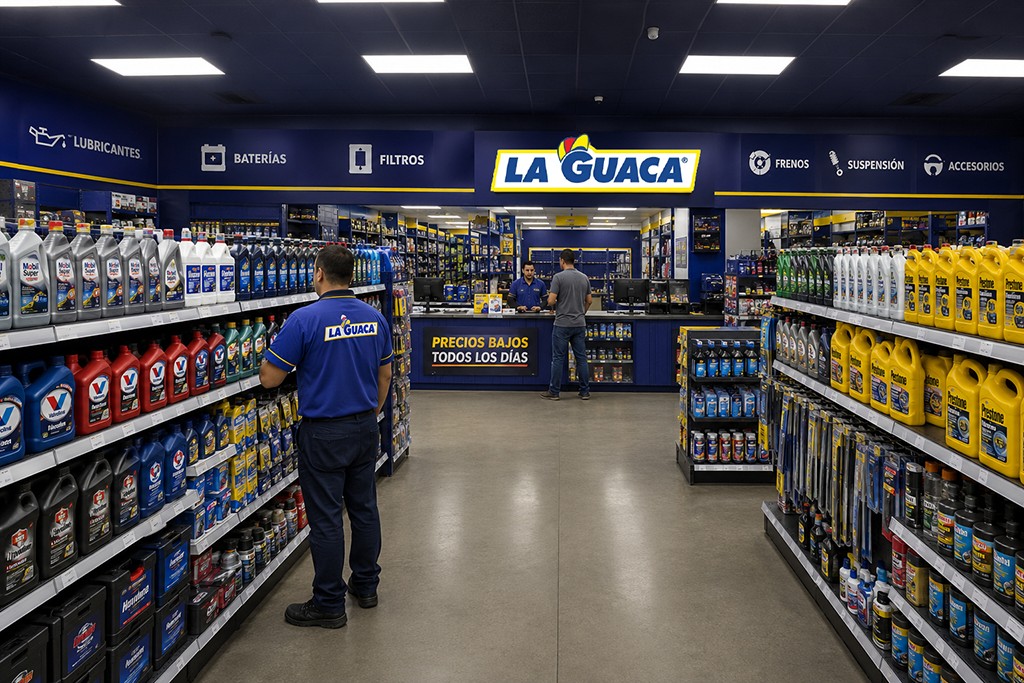
The resulting architecture now processes approximately 12,000 inventory and pricing updates daily while supporting fulfillment operations across all 18 La Guaca branch locations.
Inventory and pricing synchronization occurs every five minutes, allowing the retailer to maintain near real-time operational visibility across online and physical retail environments.
“We’ve been able to digitally enable more than 36,576 products and support fulfilment across all 18 of our branches, which has transformed how we operate,” said Fallas.
“Pricing and inventory are now faster and far more accurate, and that’s had a direct impact on both our internal efficiency and the customer experience.”
One of the more technically significant aspects of the project involved the integration of La Guaca’s custom proforma ordering workflow directly into the ERP environment.
Before checkout completion, cart data is transmitted in real time into the ERP system where inventory reservations, pricing validation, discount calculations, branch pickup availability, and inter-branch fulfillment logic are processed dynamically.
Once payment authorization occurs, the ERP-generated proforma converts into a finalized order. If payment is not completed within twenty minutes, inventory reservations automatically expire.
This type of operational orchestration highlights how modern ERP integrations increasingly move beyond simple data synchronization toward real-time transactional coordination across commerce and operational systems.
ERP Modernization Increasingly Focuses on Operational Connectivity
The La Guaca project reflects a broader shift occurring across ERP and digital commerce environments where integration flexibility is becoming as strategically important as the ERP platform itself.
As businesses continue expanding omnichannel operations, disconnected systems increasingly create operational bottlenecks that impact inventory accuracy, customer experience, order fulfillment, and scalability.
Rather than replacing its ERP system outright, La Guaca focused on building a real-time operational bridge capable of extending ERP intelligence directly into customer-facing commerce workflows.
The result was not simply a website upgrade, but the creation of a more connected operational environment capable of supporting long-term eCommerce scale.
For organizations operating across complex inventory and fulfillment environments, projects like this increasingly demonstrate that ERP modernization is often less about replacing systems entirely and more about improving the quality, speed, and intelligence of operational connectivity between them.

ERP News Editorial Team
The ERPNews Editorial Team covers global developments in ERP (Enterprise Resource Planning), enterprise software, cloud platforms, AI, automation, and digital transformation, providing independent news and editorial analysis for senior business and technology leaders. Our reporting focuses on market signals, strategic shifts, and enterprise impact across the ERP and enterprise technology ecosystem.
For editorial inquiries, please contact:
📩 [email protected]