As artificial intelligence moves from experimentation to enterprise deployment, ERP vendors are under growing pressure to show how AI can deliver measurable operational value. For many organizations, the next phase of ERP is no longer about better recordkeeping alone—it is about enabling faster decisions, automating routine processes, and improving visibility across increasingly complex operations.
With its 2026 R1 release, Acumatica is placing AI at the center of that shift, embedding intelligence across finance, manufacturing, distribution, retail, and construction workflows. Rather than treating AI as a separate feature set, the company is positioning it as part of the day-to-day systems businesses already rely on to run operations.
In this ERP News Q&A, Jon Pollock, Chief Product Officer at Acumatica, discusses how AI is reshaping ERP from a system of record into a system of execution, where organizations are seeing the most immediate impact, and what capabilities are likely to define the next generation of enterprise software.

How AI Is Redefining the Role of ERP
Q: Acumatica’s 2026 R1 release places a strong emphasis on AI across workflows. From your perspective, how is AI reshaping the role of ERP, from a system of record to a system of execution?
A: AI is transforming ERP from a passive system of record into an active system of execution, one that captures data and helps businesses act on it in real time. With embedded intelligence, predictive analytics, and real-time visibility, ERP becomes the operational backbone for faster, more informed decisions.
With 2026 R1, we’re focused on delivering AI where work already happens—within core financial and operational workflows—so teams can move from insight to action more quickly and drive measurable outcomes across areas like supply chain performance, cost control, and resource optimization.
Q: Many ERP vendors are adding AI capabilities, but often as isolated features. How is Acumatica approaching AI differently in terms of embedding intelligence directly into day-to-day operational workflows?
A: Many vendors are layering AI on top of their platforms as standalone features. Our approach is different.
We embed AI directly into the workflows customers use every day. With AI Studio, Acumatica integrates intelligence into processes such as financial review, project management, and inventory planning. This approach ensures AI isn’t something users have to go out of their way to access, but a part of how work gets done.
That embedded approach enables users to leverage AI to move beyond experimentation and achieve consistent, repeatable business outcomes.
Where AI Is Delivering Immediate Industry Impact
Q: This release highlights capabilities across manufacturing, distribution, retail, and construction. Where are you seeing the most immediate impact of AI within these industries, and how does that differ across sectors?
A: The most immediate impact of AI is in areas where real-time visibility and responsiveness directly affect performance, but how that impact shows up varies by industry.
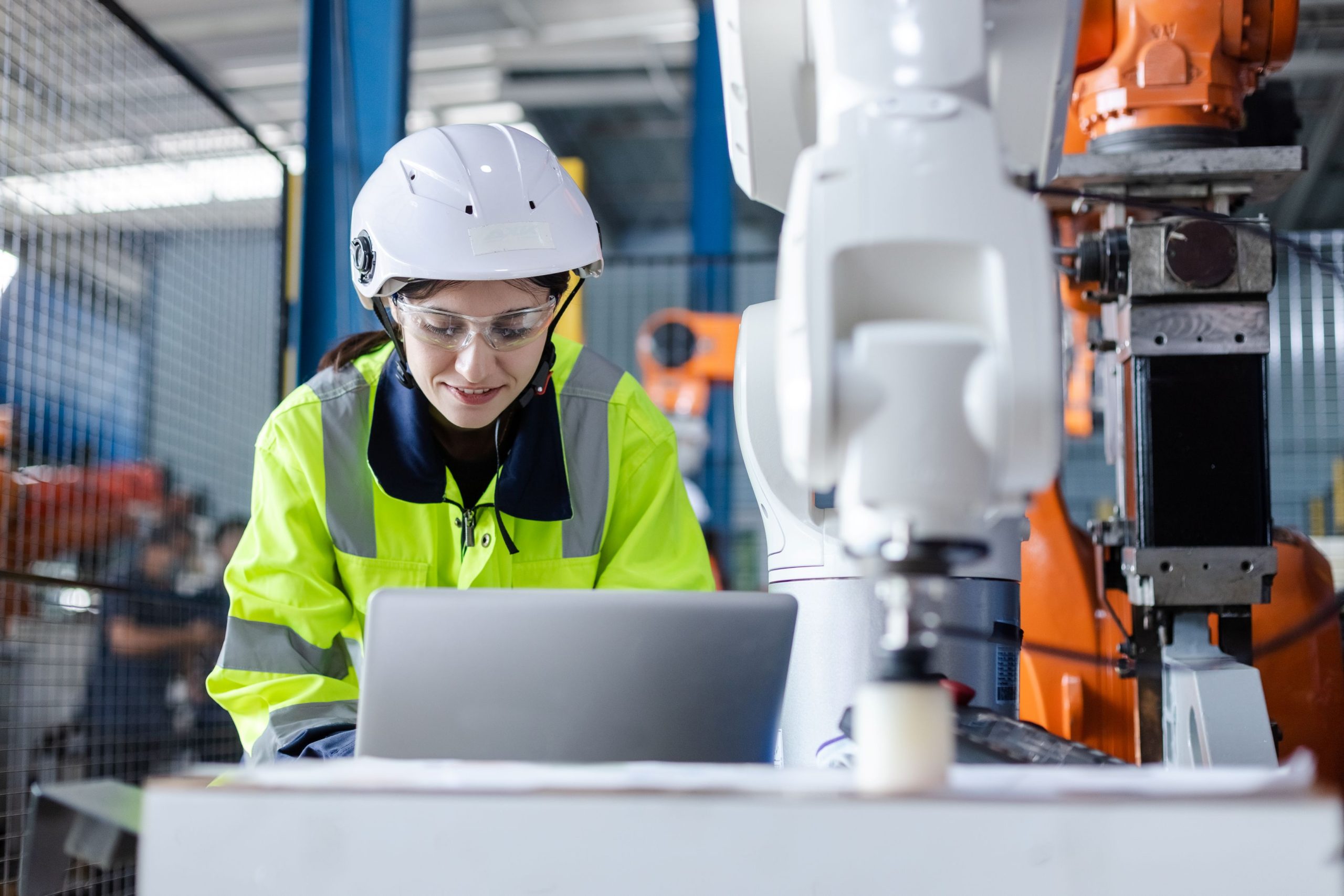
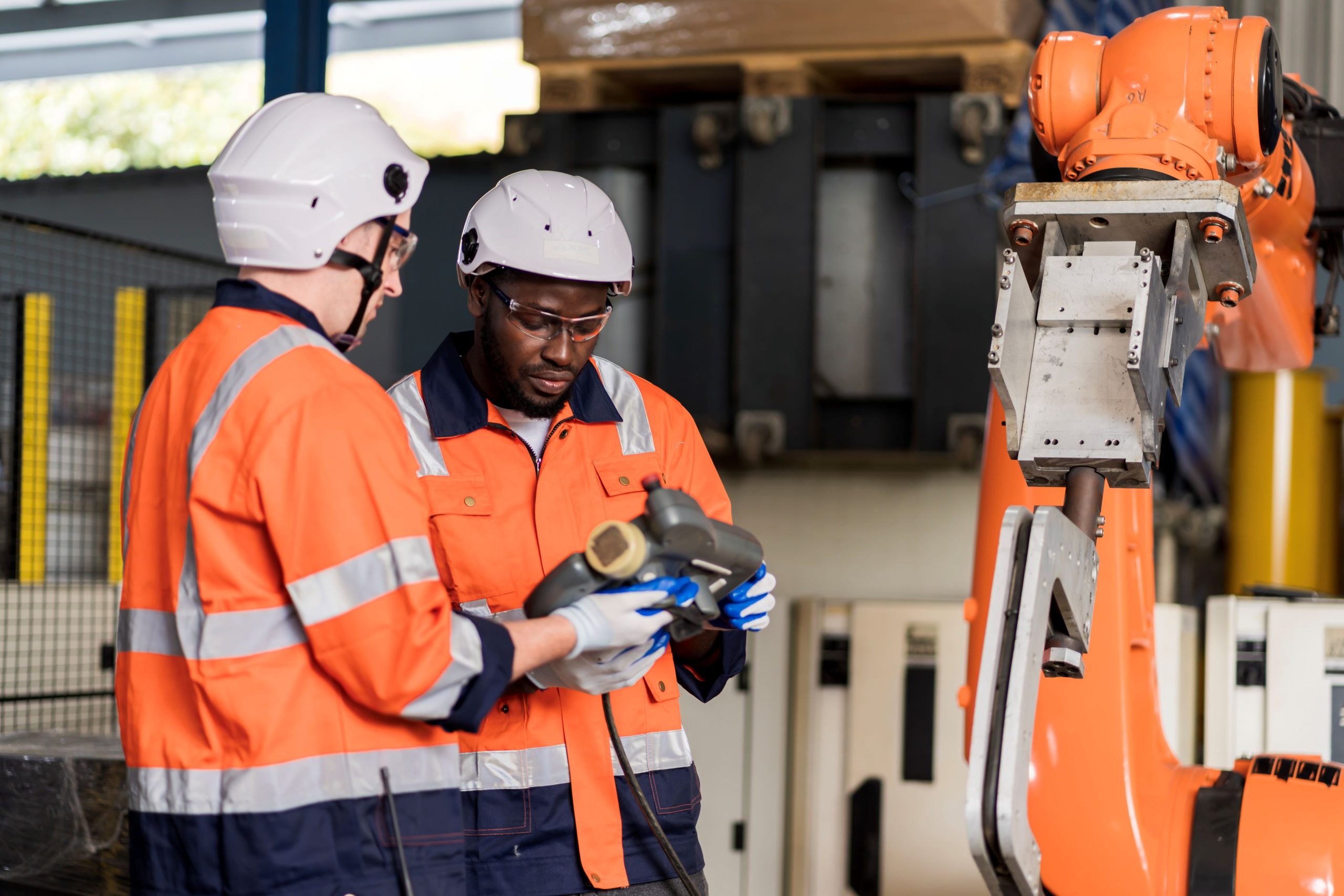
In manufacturing, AI improves shop floor visibility and enables faster responses to supply chain disruptions. For distributors, it’s about optimizing inventory and reducing friction in order processing. Retailers benefit from more agile pricing and better demand forecasting, while construction firms use AI to improve forecasting accuracy and proactively manage project risk.
While the use cases differ by sector, the common thread is that AI helps teams make faster, more informed decisions. The specific impact depends on where operational complexity, opportunities for efficiency, and the biggest areas of risk are in each industry.
Q: In manufacturing environments, real-time visibility and responsiveness are critical. How do the new capabilities in 2026 R1 improve decision-making on the shop floor and across supply chain operations?
A: 2026 R1 gives manufacturers real-time visibility into both shop-floor operations and broader supply-chain dynamics. AI-driven insights help teams anticipate demand shifts, identify bottlenecks earlier, and proactively adjust production schedules. Instead of reacting to issues after they occur, manufacturers can make decisions earlier in the process, improving efficiency, reducing downtime, and maintaining continuity in volatile conditions.
Q: Construction firms often struggle with fragmented systems and project-based complexity. How does this release help organizations scale while maintaining control over costs, timelines, and resource allocation?
A: Construction firms need visibility and control across complex, project-based environments. With 2026 R1, we’ve embedded AI into project workflows to help teams better forecast costs, identify anomalies, and manage resources more closely. By unifying financial and operational data, teams can spot risks earlier—whether that’s a budget overrun or a scheduling issue—and take action before it impacts project outcomes. That’s what enables firms to scale while maintaining control.
Reducing Operational Friction Across Complex Workflows
Q: For distributors managing high transaction volumes, speed and accuracy are key. How is AI helping reduce operational friction in areas like order processing, inventory management, and fulfillment?
A: For distributors, AI reduces operational friction by streamlining high-volume processes like order management, inventory planning, and fulfillment. With real-time visibility and AI-assisted recommendations, teams can make faster, more accurate decisions, such as adjusting inventory levels or reprioritizing orders, helping them stay ahead of shifts in demand and operate more efficiently at scale.
Q: Retail continues to demand real-time responsiveness across channels. How does Acumatica’s latest release support more agile decision-making in pricing, inventory, and customer engagement?
A: Retail moves fast, and the margin for error across pricing, inventory, and customer engagement is shrinking. With 2026 R1, we’ve embedded AI directly into these workflows so retailers can act on what’s happening in real-time.
On pricing, AI helps teams identify margin risks and respond to demand shifts before they’re caught off guard. For inventory, predictive capabilities help anticipate demand across locations and channels, reducing the overstock and stockout situations that erode profitability. In customer engagement, unified data across commerce and operations means teams can personalize customer interactions based on actual purchasing behavior.
Together, these capabilities give retailers the real-time visibility and AI-assisted tools to stay competitive in fast-moving, omnichannel environments.

Trust, Adoption, and the Next Phase of ERP AI
Q: As AI becomes more embedded in ERP workflows, how should organizations think about maintaining control, transparency, and trust in automated decision-making processes?
A: Organizations should think about trust in AI across three areas: visibility, control, and governance. They need to understand how AI-generated recommendations are produced, maintain oversight of where automation is applied, and establish clear accountability for outcomes. With tools like AI Studio, Acumatica enables that balance, giving users transparency into AI outputs and the ability to refine how those capabilities are used within workflows. This approach allows organizations to adopt AI at their own pace, while maintaining control and accountability.
Q: There’s a lot of discussion around AI in enterprise software, but adoption often lags behind the narrative. What are you seeing in terms of real-world adoption, and where are organizations still facing challenges?
A: We’re seeing steady growth in real-world adoption, particularly in targeted use cases like financial automation, anomaly detection, and demand forecasting. However, many organizations are still in the early stages of scaling those efforts.
The biggest challenges continue to be data quality, integration, and change management. Without a strong, unified data foundation, AI can’t deliver consistent results.
The organizations seeing the most success are taking a practical, incremental approach, starting with specific use cases tied to measurable outcomes and expanding from there. That’s what enables them to move from experimentation to real business impact.
Q: Looking ahead, how do you see AI evolving within ERP systems over the next 2–3 years? What capabilities will define the next phase of ERP innovation?
A: Over the next few years, AI will become even more deeply embedded into ERP workflows, with stronger predictive capabilities and more industry-specific intelligence. The focus will continue to shift toward delivering outcomes, helping businesses anticipate change, automate routine decisions, and respond faster to evolving conditions. For mid-market organizations in particular, this evolution will make advanced capabilities more accessible and enable them to compete more effectively with larger enterprises. The organizations that build on a unified data foundation today will be the best positioned to take advantage of what’s coming.
About Jon Pollock
As Chief Product Officer, Jon is responsible for Acumatica’s technical strategy and product roadmap, development, and direction. His 25-year career spans leadership roles at major tech and payments companies, including Worldpay, Dell, Intel, Polaroid, and Asurion, with expertise in product management, development, planning, and marketing.
Jon most recently served as Chief Product Officer, and later as General Manager, at Procare, where he led product managers and UX designers in developing childcare center management SaaS and payment solutions. His expanded responsibilities included sales, marketing, product development, and customer support. He also served as SVP and Chief Product Officer over Worldpay’s U.S. core product. At Asurion, as VP of Product Management and Development, he led the creation of Soluto™, a premium tech support service for smartphone users with over 40 million monthly subscribers.

ERP News Editorial Team
The ERPNews Editorial Team covers global developments in ERP (Enterprise Resource Planning), enterprise software, cloud platforms, AI, automation, and digital transformation, providing independent news and editorial analysis for senior business and technology leaders. Our reporting focuses on market signals, strategic shifts, and enterprise impact across the ERP and enterprise technology ecosystem.
For editorial inquiries, please contact:
📩 [email protected]