
There are aircraft flying today that were manufactured in the 1960s, 1970s, and 1980s, still performing their intended missions with reliability that newer pilots and passengers would find surprising. The reason these classic airframes continue to fly safely and effectively isn’t that the original technology was built to last forever. It’s that the technology inside them has been consistently updated to match the capabilities of modern aviation.
Avionics upgrades have become one of the most significant factors in the continued operational relevance of classic aircraft, and understanding what these upgrades involve explains why some of the most capable aircraft in private and charter aviation are also some of the oldest airframes in the sky.
Why Classic Airframes Are Worth Upgrading
An aircraft airframe is, in engineering terms, an extraordinarily well-engineered structure. The primary structure of a well-maintained classic aircraft, including the fuselage, wing spars, and major structural components, can remain airworthy for decades with proper inspection and maintenance.
The components that age less gracefully are the electronic and navigation systems. Avionics technology from the 1970s and 1980s was designed around the navigation infrastructure and air traffic management requirements of that era. Much of it is becoming obsolete, and in some cases is already non-compliant with current airspace requirements.
The economic logic of upgrading rather than replacing is straightforward for many aircraft categories. A well-maintained classic airframe with upgraded avionics and a refurbished interior can offer performance characteristics, range, and cabin quality that would cost significantly more to acquire in a newer aircraft of equivalent capability.
What Modern Avionics Upgrades Typically Include
An avionics upgrade package for a classic aircraft addresses several interconnected systems that work together to produce a modern flight deck experience.
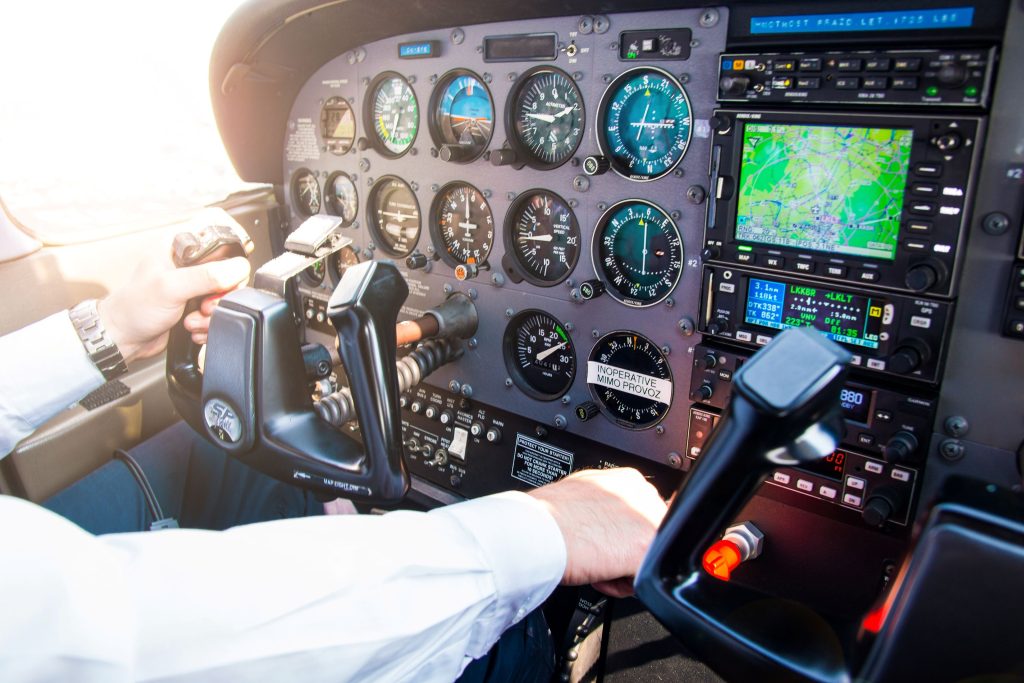
Glass cockpit displays. Replacing analogue round-dial instruments with modern primary flight displays (PFDs) and multi-function displays (MFDs) provides pilots with significantly more information in a more intuitive format. Modern display systems present attitude, navigation, traffic, terrain, and weather data in integrated formats that reduce workload and improve situational awareness.
ADS-B compliance. The FAA’s mandate for ADS-B Out compliance, which came into effect in 2020 for aircraft operating in controlled airspace, required all operating aircraft to install equipment that broadcasts position data to air traffic control and other aircraft. Aircraft that went through this upgrade process often simultaneously upgraded surrounding navigation equipment.
Navigation system upgrades. Modern GPS navigators with WAAS capability provide precision approach guidance, terrain awareness, and navigation capabilities that original equipment couldn’t approach. Integrating these with upgraded autopilot systems allows classic aircraft to fly approaches and routes that were previously beyond their capability.
Communication systems. 8.33kHz channel spacing communication radios are now required in European airspace, and modern digital comm units provide clearer voice quality and additional frequency management capability.
Weather systems. Datalink weather products that weren’t available in the original equipment era now allow pilots to see actual radar data, pilot reports, and AIRMETs in the cockpit in near-real-time, significantly improving weather decision-making.
The Interior Dimension
Avionics are only part of what makes a classic aircraft relevant in the current market. The cabin interior is equally important for aircraft used in charter or private travel roles, where passenger experience affects commercial viability.
Complete interior refurbishments on classic aircraft address:
- Seat replacement and upholstery with modern materials
- Acoustic insulation improvements that address the cabin noise levels of older designs
- Lighting upgrades including LED conversion
- Cabinetry and interior trim renewal
- In some aircraft, cabin management systems that provide climate control, entertainment, and connectivity
The combination of a modernised flight deck and a refurbished cabin can transform the passenger experience of a classic aircraft into something genuinely competitive with much newer offerings.
A Specific Example: The Cessna 441 Conquest II
The Cessna 441 Conquest II is an excellent example of a classic turboprop that continues to earn its place in serious aviation applications decades after its production ended. The airframe is structurally sound, the Garrett TPE331 engines provide strong performance, and the aircraft’s cabin dimensions and range capability remain genuinely competitive.
What the original avionics and aging interiors couldn’t provide is the modern flight deck experience and passenger environment that today’s operators require. Properly executed upgrades address both.
For owners seeking to modernize these aircraft, Cessna 441 Conquest avionics and interior services can help enhance avionics capabilities, improve passenger comfort, and extend the operational value of these aircraft for years to come.
Kubick Aviation Services brings the combination of aircraft-specific knowledge and avionics integration expertise that major upgrade projects require, ensuring that new systems are correctly integrated with each other and with the airframe’s existing electrical and mechanical infrastructure.
According to the FAA’s Continued Airworthiness and Safety Improvements data, a significant proportion of the general aviation fleet consists of aircraft manufactured more than 30 years ago, with properly maintained and updated older aircraft demonstrating safety records comparable to newer designs when avionics and maintenance standards are kept current.
The Regulatory and Investment Case
Beyond the operational benefits, avionics upgrades address regulatory compliance requirements that affect where and how classic aircraft can operate. ADS-B compliance was one mandate. Future airspace requirements around data communications and navigation precision will create additional compliance needs.
Aircraft owners who invest in upgrades proactively maintain their aircraft’s access to the full range of airspace and operations that their missions require. Those who defer upgrades until regulatory deadlines force the issue often face compressed timelines and higher costs.
From an investment perspective, a classic aircraft with a full avionics upgrade and refurbished interior commands a significantly higher market value than an equivalent airframe with original equipment. The upgrade cost rarely equals the value added, particularly for aircraft types with strong market demand.
Conclusion
The classic aircraft that continue to fly in 2026 are proof that a well-engineered airframe can outlast its original technology by decades. Modern avionics upgrades are what convert that airframe longevity from a maintenance challenge into a genuine operational and financial asset.
The result is aircraft that carry the proven structural characteristics of decades of design and manufacturing refinement, equipped with navigation, safety, and communication technology that would have seemed extraordinary when the airframe was first built.