Manufacturing plants, construction sites, warehouses, and even office environments present different types of risks that can lead to injuries or fatalities.
Data show that 2.6 million people were injured or became ill at work in 2023. During that year, 5,283 workers died in the workplace. However, it reduced by 4% to 5,070 fatal work injuries in the US in 2024.
Traditional safety programs rely on manual inspections, incident reports, and compliance audits. These methods remain important, yet they tend to focus on responding to incidents after they occur rather than preventing them.
Artificial intelligence (AI) is shifting this approach toward prevention. Modern safety platforms analyze large volumes of operational data, environmental conditions, and historical incidents to identify patterns that indicate potential hazards.
Machine learning models can process complex datasets and provide insights that help companies address risks earlier. This shift toward data-driven safety management is transforming how companies protect workers.
The Limits of Traditional Workplace Safety Programs
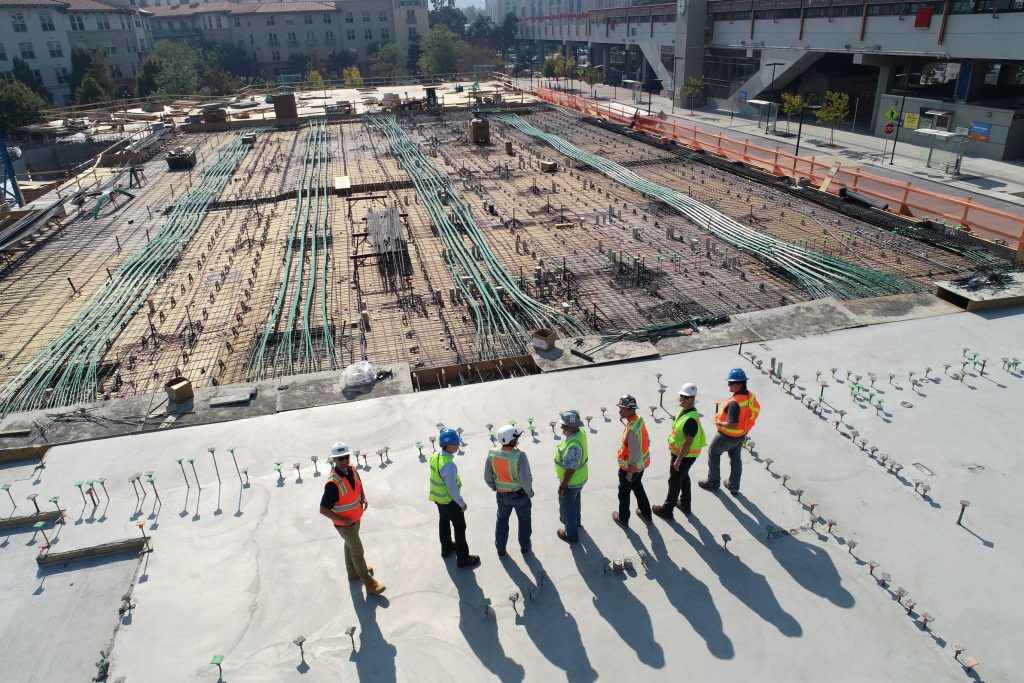
For decades, workplace safety programs have depended on checklists, training sessions, and compliance inspections. Safety managers typically investigate incidents, determine their causes, and then update policies to prevent similar events. This process provides valuable lessons, but it also means action happens only after something goes wrong.
There have been many incidents in the past that reflect the consequences of such disasters. The Rana Plaza factory collapse in Bangladesh, for instance, killed over 1,100 workers and injured about 2,500. Similarly, there was the Beirut Explosion in Lebanon caused by ammonium nitrate. It killed over 200 and injured another 7,000 people.
Many of these disasters are linked to unsafe working conditions, poorly maintained equipment, weak building structures, and inadequate emergency procedures. The scale of the problem highlights why more proactive systems are needed.
These incidents lead to lost productivity, financial costs, and, most importantly, human suffering. Artificial intelligence (AI) offers a way to continuously monitor conditions and detect potential risks before they lead to injuries.
Real-Time Monitoring and Hazard Detection
Modern systems integrate sensors, cameras, and connected devices that continuously track environmental conditions, worker behavior, and equipment performance.
Computer vision models can analyze video feeds to identify unsafe practices. AI algorithms can also monitor environmental factors such as temperature, air quality, or equipment vibration levels. This allows supervisors to respond before a minor hazard turns into a serious incident.
This kind of early detection matters because many workplace deaths happen in fast-changing environments where risks build in seconds. Something similar went down in Colorado Springs, Colorado, when a 19-year-old father-to-be was killed at work.
Officials said that a tree branch fell on him, while no other details were provided. Such incidents hold employers responsible for compensating the victim’s family because the accident occurred when he was at work. The family can also contact a Colorado Springs personal injury attorney to seek fair compensation.
According to Springs Law Group, lawyers can investigate the cause, determine liability, calculate damage, and navigate workers’ compensation claims. AI can help prevent such accidents through continuous monitoring and hazard detection.
Computer vision models can detect such instabilities in the work environment. With historical data, AI can also improve environmental awareness, alerting employees to potential work hazards.
Predictive Analytics and Risk Forecasting
Beyond monitoring existing conditions, artificial intelligence can also predict future risks. Predictive modeling improves risk prevention by analyzing diverse data sources. This includes records of previous incidents, environmental conditions, equipment performance data, worker behavior patterns, and external influences.
These insights allow organizations to detect trends, anticipate potential hazards, and implement preventive safety strategies before accidents occur. This data-centered method offers a clearer understanding of workplace risks and enables safety teams to make informed decisions.
Machine learning models analyze past incident reports alongside variables such as worker schedules, equipment usage, and environmental factors. These algorithms identify correlations that human analysts might overlook. Predictive models can highlight high-risk tasks, dangerous equipment combinations, or environmental conditions that increase accident probability.
With time, the system becomes more accurate as it processes new safety data from daily operations. This continuous learning allows organizations to adjust safety protocols and improve training programs. As predictive tools become more integrated with enterprise safety systems, companies gain stronger visibility into potential threats.
AI-Driven Safety Culture in Modern Organizations
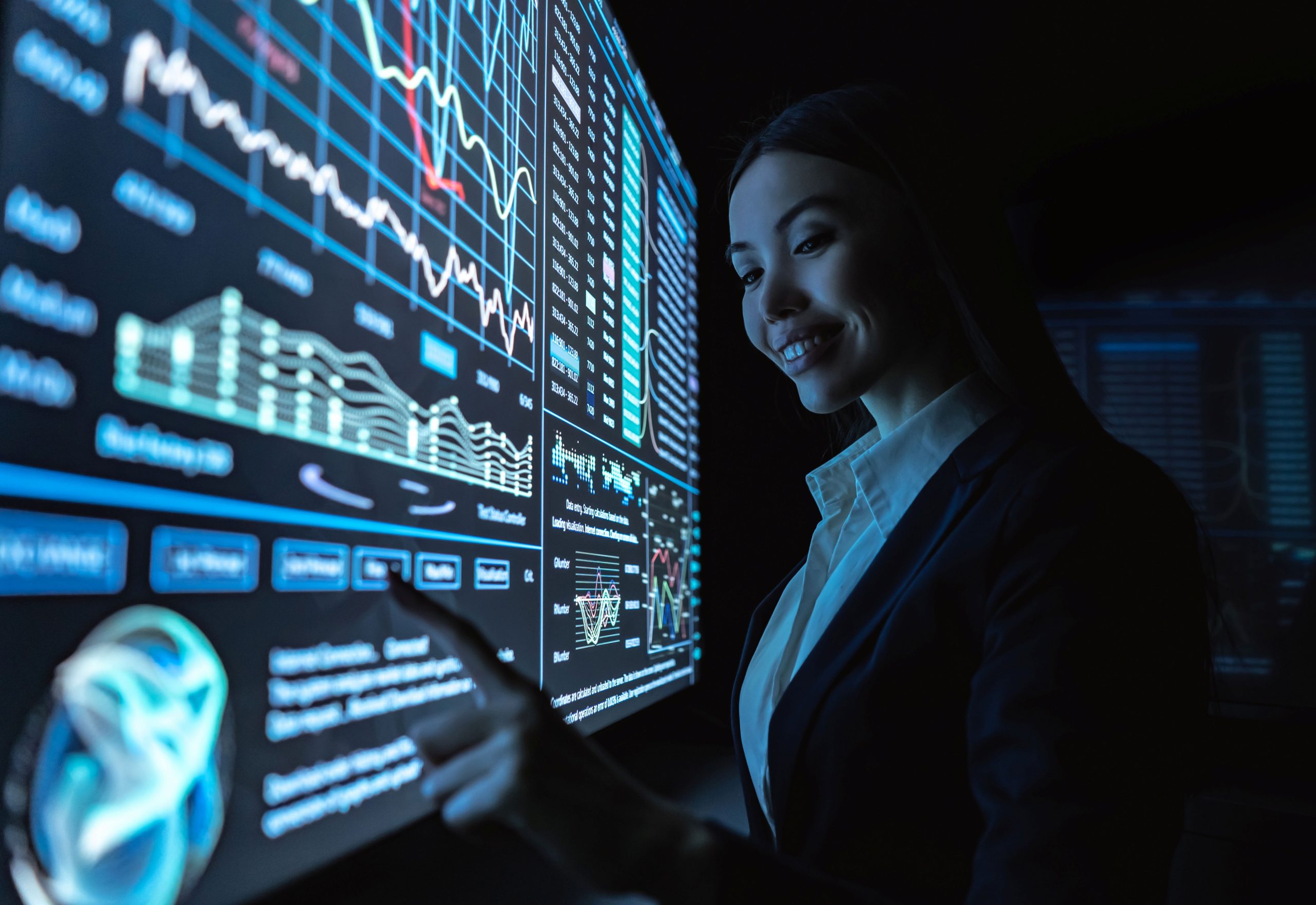
Data insights allow organizations to move beyond compliance and toward continuous safety improvement. AI dashboards can display real-time safety metrics, incident trends, and near-miss reports across departments. Safety leaders can identify patterns that reveal systemic issues such as insufficient training, equipment failures, or operational bottlenecks.
AI can also enable real-time oversight through sensors and wearable devices that monitor working conditions. It can further support safety management through automated drone inspections and behavioral analysis, evaluating how consistently workers follow safety procedures.
Together, these capabilities help organizations address risks more quickly, strengthen incident investigations, and create ongoing feedback systems. These processes support continuous improvements for building a safer work culture.
Organizations that rely on AI insights experience measurable improvements in safety outcomes. These improvements occur because teams gain clearer visibility into risks and can respond earlier.
Over time, these insights encourage stronger collaboration between management and employees. Workers become more engaged in reporting hazards and following safety protocols when they see that data is improving working conditions.
Frequently Asked Questions
How does AI integrate with existing workplace safety systems?
AI tools often integrate with existing safety platforms, enterprise software, and operational management systems rather than replacing them entirely. Many organizations connect AI solutions with incident reporting systems, equipment monitoring tools, and employee management platforms. This integration allows AI to analyze data from multiple sources simultaneously.
Can AI improve safety training for employees?
Artificial intelligence can enhance safety training through personalized learning experiences. AI systems analyze employee performance data, past incidents, and job roles to create training modules tailored for each position. This approach helps employees focus on increasing retention of safety information and improving overall workplace awareness.
Is AI useful for small and medium-sized businesses in safety management?
AI-powered safety tools are increasingly accessible to small and medium-sized businesses due to cloud-based platforms and scalable solutions. Many systems do not require expensive infrastructure and can operate using existing cameras, sensors, or software platforms. Smaller organizations can benefit from automated hazard detection, data analysis, and safety monitoring without building complex in-house safety technology systems.
Artificial intelligence is transforming workplace safety programs from reactive systems into proactive, data-driven strategies. It enables earlier hazard detection, improved compliance oversight, and more effective prevention strategies. The tragic loss of workers in preventable accidents serves as a reminder that safety innovation remains essential.
As AI continues to advance, companies have an opportunity to create safer working environments supported by intelligent systems. Combining technology, responsible management, and a strong safety culture can reduce workplace risks and protect employees and employers.