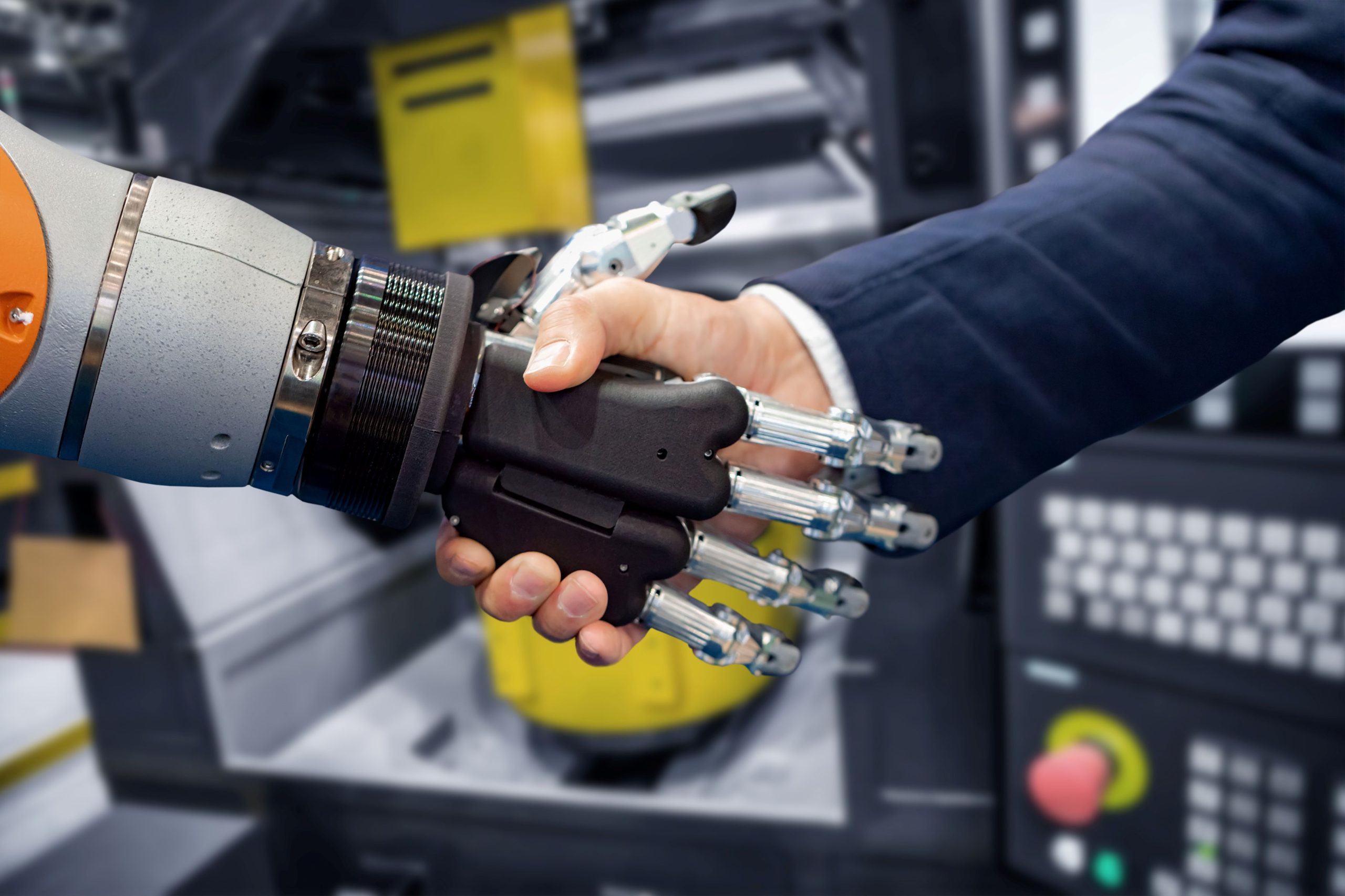
Enterprise resource planning systems have become increasingly sophisticated. Modern ERP and HCM platforms manage payroll, compliance, scheduling, analytics, and workforce forecasting with remarkable precision. Yet despite these advancements, many organizations continue to face friction at the most operational level of their workforce architecture — the frontline.
Digital transformation conversations often focus on cloud migration, automation, and AI-driven insights. Far less attention is given to the interaction layer — the point where employees actually engage with enterprise systems. In manufacturing plants, retail stores, hospitals, warehouses, and hospitality environments, frontline employees rarely sit behind desks. Many do not log into enterprise dashboards daily. And yet, they generate the workforce data that drives payroll accuracy, compliance integrity, and operational forecasting.
This gap between enterprise systems and operational execution is becoming increasingly visible.

The Last-Mile Problem in Workforce Management
While ERP systems centralize and structure enterprise data, time and attendance processes often remain exposed to manual corrections, punch disputes, shift confusion, and repetitive HR inquiries. These issues do not stem from a lack of system capability. Rather, they emerge from limited accessibility at the frontline level.
When employees struggle to access schedules, verify accrual balances, submit time-off requests, or clarify policy questions in real time, HR teams become reactive. Payroll teams spend cycles correcting errors that could have been prevented at the point of entry. Managers lose visibility into shift-level compliance risks.
In large enterprises, these small inefficiencies compound into measurable cost and compliance exposure.
This is where AI-powered self-service HR kiosks are quietly redefining workforce infrastructure.
From Transactional Time Clocks to Intelligent Workforce Interfaces
Traditional time clocks were designed to record punches. Modern enterprise needs demand far more.
AI-enabled employee self-service kiosks now function as intelligent extensions of the ERP ecosystem. Rather than simply capturing attendance data, they can validate inputs, automate policy enforcement, manage job transfers across cost centers, and provide contextual HR assistance at the exact moment an employee interacts with the system.
The difference is architectural, not cosmetic.
By embedding intelligence at the point of workforce interaction, organizations reduce the dependency on downstream corrections. Overtime calculations, break compliance, and attendance validations can occur in real time. Geofencing capabilities can ensure location-based accuracy across distributed operations. Integrated AI assistants can respond instantly to policy-related inquiries, minimizing the burden on HR service teams.
In this model, the kiosk becomes more than hardware. It becomes a digital workforce node within the enterprise architecture.
Why This Matters in ERP Modernization
As enterprises invest heavily in cloud-based HCM and ERP platforms, maximizing return on those systems requires adoption across every workforce layer — especially the frontline.
A sophisticated ERP platform delivers value only when its data inputs are accurate, timely, and complete. Frontline environments are often the most complex operational segments, characterized by rotating shifts, multi-site deployments, union regulations, and dynamic staffing models.
Embedding AI-powered self-service capabilities through secure tablet-based kiosks helps close the accessibility gap. Employees gain immediate visibility into schedules, attendance records, and leave balances. Managers gain cleaner data streams. HR teams experience fewer repetitive inquiries and reduced manual intervention.
This shift aligns workforce management with broader enterprise digital transformation goals — not by replacing ERP systems, but by strengthening their operational interface.
Enterprise Outcomes Beyond Efficiency
The strategic impact of intelligent self-service kiosks extends beyond administrative savings.
Accurate real-time attendance data improves workforce analytics and labor forecasting. Automated policy enforcement reduces regulatory exposure. Improved employee autonomy contributes to higher engagement and retention in industries where turnover remains a persistent challenge.
Most importantly, enterprise systems become more usable at scale. Digital transformation succeeds when systems are not only powerful, but also accessible.
For organizations evaluating how self-service platforms fit within their broader ERP strategy, this detailed analysis on Top Self-Service HR Solution for Time and Attendance Tracking explores the architectural considerations in greater depth.
The Emerging Workforce Architecture Model
A pattern is emerging among forward-thinking enterprises. Core ERP systems provide centralized intelligence. APIs and integration layers connect operational data streams. And AI-enabled interaction points — such as employee self-service kiosks — serve as the accessible bridge between frontline workers and enterprise infrastructure.
This layered model enhances both system integrity and workforce experience.
As ERP ecosystems continue evolving, the focus is shifting from system capability to system reach. Extending enterprise intelligence to the frontline is no longer optional. It is becoming a prerequisite for operational resilience.
The organizations that recognize this shift early will be the ones that transform time and attendance from a compliance necessity into a strategic workforce advantage.