
Walk through any busy commercial facility in Hamilton, a warehouse, a distribution center, or a manufacturing plant, and you’ll notice the garage doors are in constant use. Trucks pulling in and out. Forklifts moving between bays. Staff passing through multiple times a day. These doors are working hard, and when something goes wrong with them, the impact ripples through the entire operation.
A door that sticks, moves slowly, makes unusual noises, or refuses to close properly isn’t just an inconvenience; it’s a direct threat to both operational efficiency and workplace safety.
Here’s exactly how commercial garage door repair affects both, and why addressing problems promptly is one of the smarter business decisions a facility manager can make.
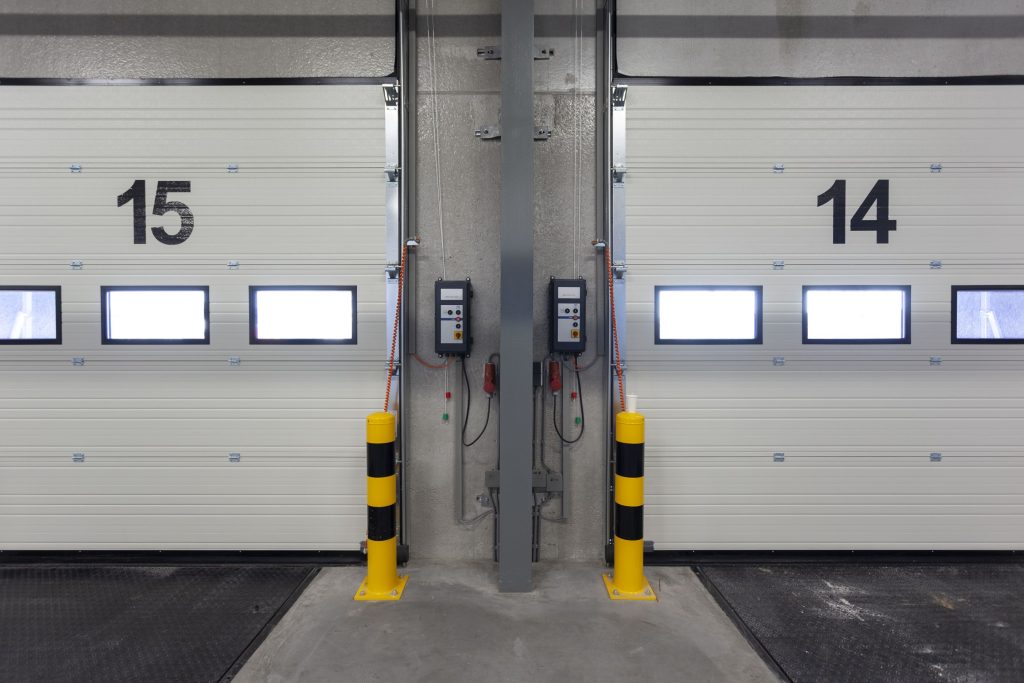
1. A Faulty Door Slows Down Your Entire Operation
Time is the resource commercial facilities can least afford to waste. Every minute a loading bay is inaccessible because a door won’t open properly, every delay caused by slow movement, and every workaround staff rely on due to a malfunction adds up to measurable productivity loss.
To avoid these disruptions, many facilities rely on Professional Garage door repair services serving Hamilton to keep systems operating smoothly and prevent unexpected downtime.
For distribution and logistics operations, delays can impact delivery schedules and customer commitments. In manufacturing environments, interrupted access points can disrupt production flow across multiple stages. Working with experienced providers like Professional Garage Doors and Openers ensures that issues are diagnosed quickly and resolved before they escalate into larger operational problems.
2. Damaged Doors Create Genuine Safety Hazards
A commercial garage door that isn’t functioning correctly isn’t just inefficient; it can be actively dangerous. The safety risks associated with faulty commercial doors are significant and varied:
- Doors that close unexpectedly — a door with a failed sensor or damaged closing mechanism can come down without warning, putting anyone beneath it at risk
- Doors that won’t close fully — a gap at the bottom or sides of a closed door compromises security and allows unauthorised access, weather, and pests into the facility
- Doors that come off their tracks — a door that shifts out of alignment under the weight of operation can collapse or move unpredictably
- Electrical faults in motorised systems — faulty wiring in door openers creates fire and shock hazards that extend well beyond the door itself
- Broken springs under tension — garage door springs carry enormous tension; a broken spring can release suddenly and cause serious injury to anyone nearby
According to the Occupational Safety and Health Administration, loading dock and door-related incidents are among the most frequently cited workplace hazards in commercial and industrial environments. A well-maintained, properly repaired garage door is one of the most straightforward ways to remove these hazards from the workplace.
3. Energy Efficiency Suffers When Doors Don’t Seal Properly
Commercial facilities spend significant amounts on heating and cooling, and garage doors that don’t seal correctly undermine that investment every hour they’re in use. A door with damaged weatherstripping, misaligned panels, or a bent frame allows conditioned air to escape and outside air to enter constantly. In winter, this means heating systems work harder to maintain the temperature. In summer, cooling systems run longer to compensate for heat infiltration.
For temperature-sensitive operations, food storage, pharmaceutical facilities, or any environment where climate control is critical, a door that doesn’t seal properly isn’t just an energy cost issue. It’s a compliance and product quality issue. Timely repair of door seals, panels, and frames keeps energy costs where they should be and maintains the environmental integrity of the facility.
4. Regular Repair Prevents Larger Failures Down the Line
Commercial garage doors are mechanical systems; they have components that wear, springs that fatigue, cables that fray, and tracks that shift out of alignment over time. Small problems that are addressed early remain small problems. The same issues left unattended compound into larger failures that are significantly more disruptive and expensive to resolve.
A worn-out spring is usually inexpensive to replace if you catch it early. But if it breaks during busy hours, the door can stop working completely, causing delays while emergency repairs are arranged. It can also damage other parts of the door.
This applies to most components in a commercial garage door system; fixing small problems early is almost always cheaper and easier than dealing with major breakdowns later.
5. Door Malfunctions Affect Security and Access Control
Commercial facilities rely on their garage doors as a primary perimeter security measure. A door that doesn’t close fully, has a compromised locking mechanism, or can be manually forced open creates a vulnerability in the facility’s security posture, one that can be exploited by opportunistic thieves or that creates liability if goods are stolen or damaged.
For facilities that handle high-value inventory, handle sensitive materials, or are subject to insurance requirements around security, a malfunctioning garage door can have implications that extend well beyond the door itself. Regular inspection and prompt repair of locking mechanisms, closing sensors, and door integrity keep the facility’s security perimeter intact.
6. Compliance Issues That Impact Safety and Operations
Commercial facilities in Ontario are subject to occupational health and safety regulations that include requirements around the maintenance of equipment and infrastructure, including doors and loading dock access points. A facility that experiences a safety incident related to a known, unaddressed door problem faces serious liability exposure under these regulations.
From an insurance perspective, demonstrable maintenance records and prompt repair of identified issues reduce liability and support claims in the event of an incident. A facility that regularly maintains its equipment, fixes issues quickly, and works with skilled repair professionals is in a much better position than one that ignores known problems. This is an area where the cost of repair is genuinely small relative to the cost of non-compliance or an undefended liability claim.
7. Choosing the Right Repair Partner Matters
Not all commercial garage door repair is equal. The complexity of commercial door systems, heavy-duty springs, industrial motorised openers, multi-panel construction, and integrated access control requires repair professionals with specific commercial experience and the right equipment. A technician experienced only in residential door repair may be unfamiliar with the specifications, tolerances, and safety requirements of commercial systems.
Professional Garage Doors and Openers bring exactly this combination of commercial expertise and local availability, providing the kind of accurate diagnosis, correct component specification, and reliable repair that commercial facilities need.
When a commercial door is down, the response time and technical competence of the repair partner directly affect how quickly operations return to normal.
Final Thoughts
Commercial garage doors are working infrastructure, and when they work well, they’re invisible. When they don’t, the impact on efficiency, safety, energy costs, and security is immediate and measurable. The facilities that keep their operations running smoothly are the ones that treat door maintenance and repair as a priority rather than an afterthought, addressing problems when they appear rather than waiting for a failure that disrupts the entire operation. In commercial facilities where every hour of downtime has a cost, proactive garage door repair is simply good business.