
For growing organizations, printer consumables are often managed in a reactive way. Someone notices the toner is low, a last-minute order is placed, and the cycle repeats. While this approach may work for small teams, it quickly becomes inefficient at scale. Missed alerts, emergency orders, inconsistent stock levels, and unplanned downtime can quietly erode productivity.
Automating printer consumable replenishment transforms this process from reactive to predictive. Instead of responding to shortages, organizations anticipate demand, optimize stock levels, and ensure uninterrupted workflow. Here is how automation changes the game and what to consider when implementing it across multiple locations or departments.
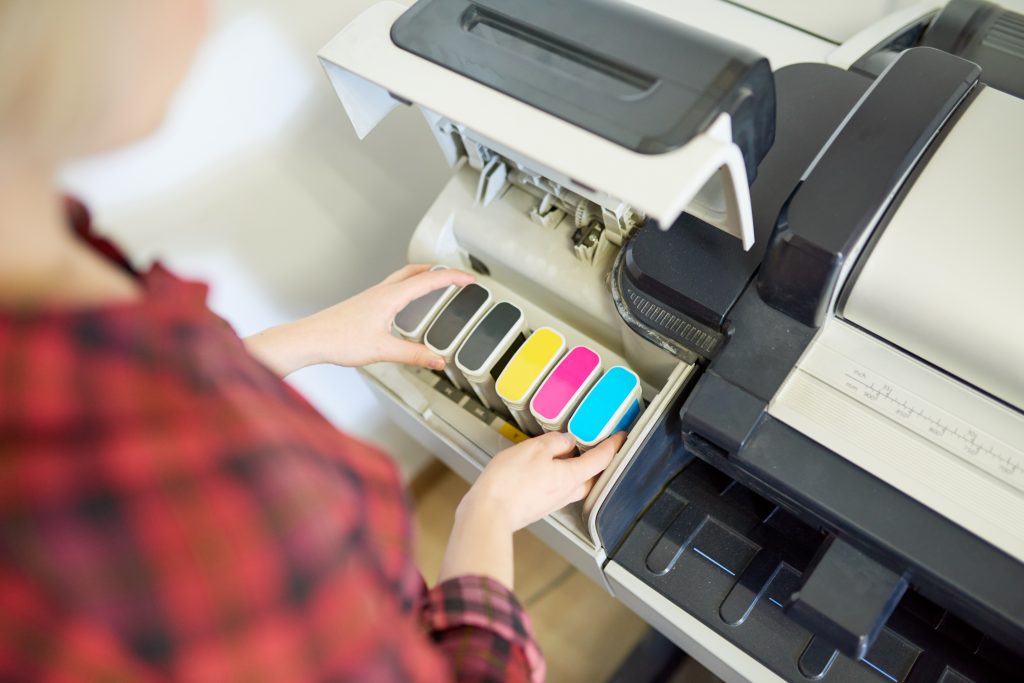
Why Manual Replenishment Fails at Scale
In a single office with one or two printers, tracking toner levels might seem manageable. However, as organizations grow, complexity increases with:
- Multiple printer models across departments
- Different cartridge types and yields
- Variable print volumes by team
- Multiple office locations
Without central oversight, supply management becomes fragmented. Some departments over-order and build excess stock. Others run out unexpectedly. Administrative teams spend unnecessary time chasing orders and approving urgent purchases.
At scale, manual management is not simply inefficient. It becomes a hidden operational risk.
The Cost of Downtime
Printer downtime may appear minor, but in environments such as legal firms, healthcare settings, logistics operations, and finance departments, delays have real consequences. Contracts, compliance documents, invoices, and shipping labels depend on reliable printing.
If consumables run out unexpectedly, teams either wait or attempt workarounds. Both scenarios reduce productivity and introduce avoidable friction.
Automated replenishment ensures that critical devices never sit idle due to preventable supply shortages.
What Automated Replenishment Looks Like
Automation typically involves integrating printer monitoring software with procurement systems. These systems:
- Track toner levels in real time
- Analyze usage trends
- Predict depletion dates
- Trigger automatic reorders based on predefined thresholds
Rather than relying on someone to manually check devices, the system proactively manages inventory. Orders are placed before supplies are exhausted, reducing the risk of interruption.
Some organizations also centralize purchasing so that approved suppliers are used consistently. For example, businesses standardizing their fleet around Brother printers may streamline procurement by sourcing directly from trusted suppliers where they can reliably buy Brother toners in bulk or on scheduled delivery terms.
Data-Driven Forecasting
One of the strongest advantages of automation is visibility. When consumable usage is tracked across departments and locations, organizations gain access to meaningful data.
This data allows leaders to:
- Identify peak usage periods
- Adjust stock levels seasonally
- Allocate print budgets accurately
- Consolidate devices where usage is low
Predictive forecasting eliminates guesswork. Instead of maintaining excessive safety stock or scrambling during high-demand periods, procurement becomes strategic and aligned with real consumption patterns.
Centralized Inventory Control
At scale, inventory management is often the biggest challenge. Some teams store surplus toner in cupboards, while others operate with minimal reserves. Automated systems centralize visibility so that supply levels across the organization are transparent.
Central oversight allows:
- Standardized reorder thresholds
- Reduced duplicate stock
- Better negotiation power with suppliers
- Simplified auditing and reporting
When organizations consistently buy toners or other standardized consumables through approved channels, they can negotiate better pricing and reduce administrative complexity.
Reducing Waste and Supporting Sustainability
Automation also contributes to environmental responsibility. Over-ordering leads to expired or unused consumables. Under-ordering can result in inefficient emergency shipping.
A data-driven replenishment system ensures that supplies are ordered only when needed and in appropriate quantities. This reduces waste, lowers carbon impact from unnecessary deliveries, and supports broader sustainability goals.
Additionally, many suppliers offer recycling schemes for used cartridges, further strengthening environmentally responsible print management.
Integrating with Managed Print Services
Many large organizations integrate automated replenishment into a broader managed print strategy. Managed print services can include:
- Device monitoring
- Usage analytics
- Maintenance alerts
- Automated consumable ordering
By consolidating these functions, companies move from fragmented print management to a cohesive system that supports operational efficiency.
The goal is not simply automation for convenience. It is automation for resilience.
Moving from Operational Task to Strategic Process
At scale, small inefficiencies compound. Printer consumable management may seem like a minor administrative task, but when multiplied across dozens or hundreds of devices, it becomes a strategic operational function.
Automating replenishment:
- Reduces downtime
- Improves budget predictability
- Strengthens supplier relationships
- Minimizes administrative workload
- Enhances sustainability outcomes
Organizations that transition from reactive ordering to predictive replenishment free up time, reduce risk, and support smoother daily operations.