
Have you ever checked your bank app, seen a healthy number, and treated yourself—only to find out two days later that most of it was already spoken for? Welcome to the gap between feeling in control and actually being in control. In this blog, we will share how dashboards—designed for business, yes, but just as useful for individuals—can sharpen your financial awareness in ways that actually stick.
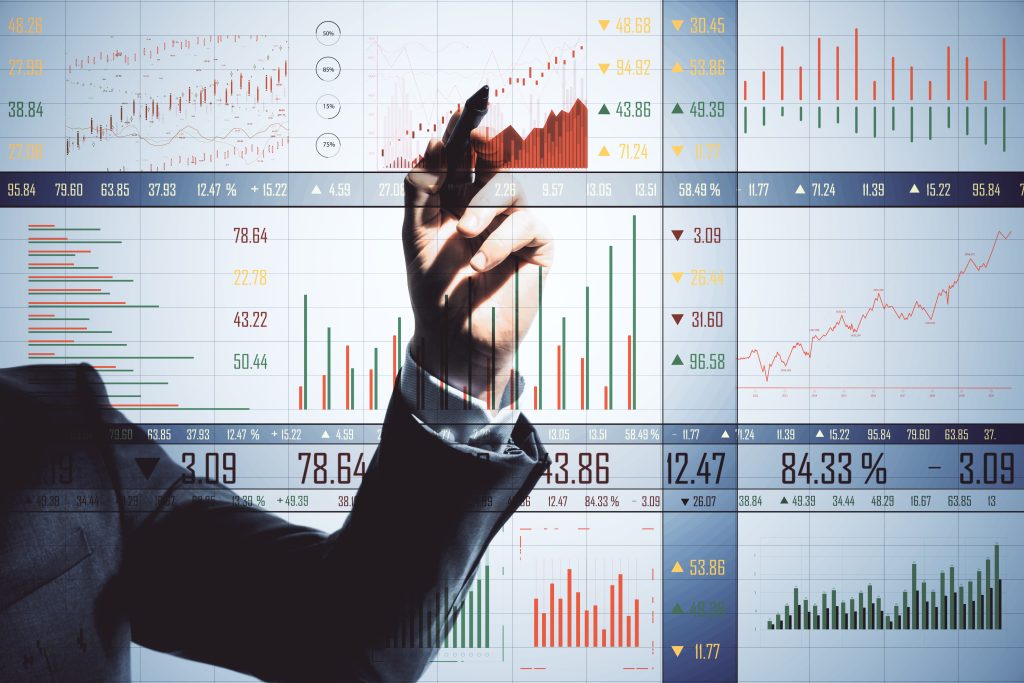
Clarity Isn’t Optional Anymore
The modern money problem isn’t just about how much you have. It’s about how fast it moves and how blurry it’s become. Subscriptions charge without warning. Refunds show up three days late. You tap a card and a charge disappears into the digital fog until it suddenly reappears, larger than expected. In short, most people aren’t overspending because they’re reckless. They’re overspending because they can’t see what’s going on in real time.
That’s where dashboards come in. Business leaders have used them for years to get a grip on cash flow, forecasts, and financial blind spots. Now, individuals are starting to adopt the same mindset, borrowing tools from the corporate playbook and applying them to personal finance.
Dashboards take scattered data—bank accounts, credit cards, budgets, bills—and bring it into one place. But more importantly, they tell you what the numbers actually mean. It’s one thing to know your balance. It’s another to understand the difference between current balance and available balance, especially if you’re on a tight budget or juggling multiple payments. That distinction isn’t just financial trivia—it can prevent overdrafts, declined purchases, and the mistaken belief that you have more spending power than you do.
The “current balance” is the total in your account at that moment, including pending transactions. The “available balance” reflects what you can actually spend, once everything clears. Mixing those up can derail your plan for the week. A dashboard helps you spot that gap instantly instead of finding out the hard way.
For anyone trying to build smarter habits, that awareness is gold. You move from reactive mode—checking your balance in panic before every swipe—to proactive mode, where spending, saving, and tracking feel part of the same system.
From Guessing to Knowing
Financial stress often comes not from a lack of money, but from a lack of clarity. People spend with uncertainty, save without structure, and budget based on vibes more than data. The result is a constant low-grade anxiety, the kind that leads to late-night online purchases followed by morning regret.
Dashboards fix that by removing the guesswork. You don’t need to be good at spreadsheets or math. The software does the lifting—you just need to check it. That shift from “I think I’m okay” to “I know where I stand” is subtle, but powerful.
It also changes how you make decisions. Take impulse spending. When you can see in real time how a $100 dinner changes your month’s projection, it becomes easier to say no—or at least to decide with full awareness instead of false confidence.
And dashboards aren’t just about what you’ve spent. The better ones show trends over time. How did you spend in June compared to April? Are your food costs creeping up? Are you on track with your savings goal? These insights don’t shame you—they inform you. They let you correct course before things spiral, without needing a financial crisis to trigger a rethink.
Why This Matters More in 2024
Living costs have changed faster than people’s habits. Groceries are more expensive, housing is tight, and surprise expenses hit harder than they used to. At the same time, personal finance tools have gotten more accessible. You no longer need to pay for a financial advisor to get tailored insight. Tools like Mint, Monarch, Copilot, and YNAB turn your data into something visual and understandable. For once, the tech is working in favor of clarity, not chaos.
This is especially relevant for gig workers, freelancers, and remote employees juggling irregular income. When your paycheck isn’t consistent, a dashboard becomes less of a luxury and more of a lifeline. It tells you how long you can float, when you should pause discretionary spending, and what your next priority should be. You don’t need to feel lost in the up-and-down of variable pay when your dashboard shows the patterns.
Even for salaried folks, financial dashboards provide a kind of second sight. They alert you to rising expenses early, show you how much you’re really spending on recurring charges, and help you spot the difference between seasonal spikes and actual budget leaks.
It’s Not Just for Businesses Anymore
There’s an irony in how clearly businesses track their money while individuals wing it. A company wouldn’t dream of operating without a profit and loss sheet, a balance tracker, and a forecast—but most people manage their lives with a mental note and a prayer. The same principles that keep businesses afloat work just as well at home: know your inflows, track your outflows, plan for dips, and review your standing regularly.
In fact, as personal financial life becomes more complex—student debt, side hustles, buy-now-pay-later plans—individuals need these systems even more than companies do. A dashboard isn’t about being obsessed with money. It’s about being calm about it.
And the goal isn’t perfection. You’re not trying to win budgeting. You’re trying to build a rhythm that works for your actual life. If you can glance at one screen and know how close you are to your goals, how many bills are due this week, and whether you’re trending up or down, you’re already ahead of most people.
One Page, Big Impact
If you’ve never used a dashboard before, don’t overcomplicate it. Start with one view: income, expenses, and goals. See where your money comes from, where it goes, and where you want it to end up. Color-code it if it helps. Set alerts if you tend to forget due dates. Add categories that match your life—not just “food” but “takeout,” not just “transportation” but “Uber when I’m late.”
Make it personal. Make it visual. Make it yours.
And don’t treat it like a punishment. A good dashboard doesn’t scold—it reflects. It tells the story of your money choices so you can write the next chapter with intention.
Financial awareness doesn’t happen overnight. It builds with every time you check in, course-correct, and keep going. Dashboards don’t solve everything. But they give you the clearest view of what you’re actually working with. And in a time when financial uncertainty is everywhere, that kind of clarity is the closest thing to peace of mind.