
The world is using more electricity than ever. According to recent data, global electricity demand jumped by 4.3% in 2024 alone — a sharp rise compared to the past few years.
With more homes, electric vehicles, data centers, and industrial zones coming online, power companies need smarter ways to send electricity safely and efficiently. Expanding a grid isn’t just about adding more wires.
It means upgrading infrastructure to meet rising demand and ensure reliability. In this shifting environment, pad mounted transformers are emerging as a quiet but vital part of the upgrade.
This article explores what these transformers are, why utilities are relying on them, and how their growth supports the future of electricity for everyone.
What Is a Pad-Mounted Transformer?
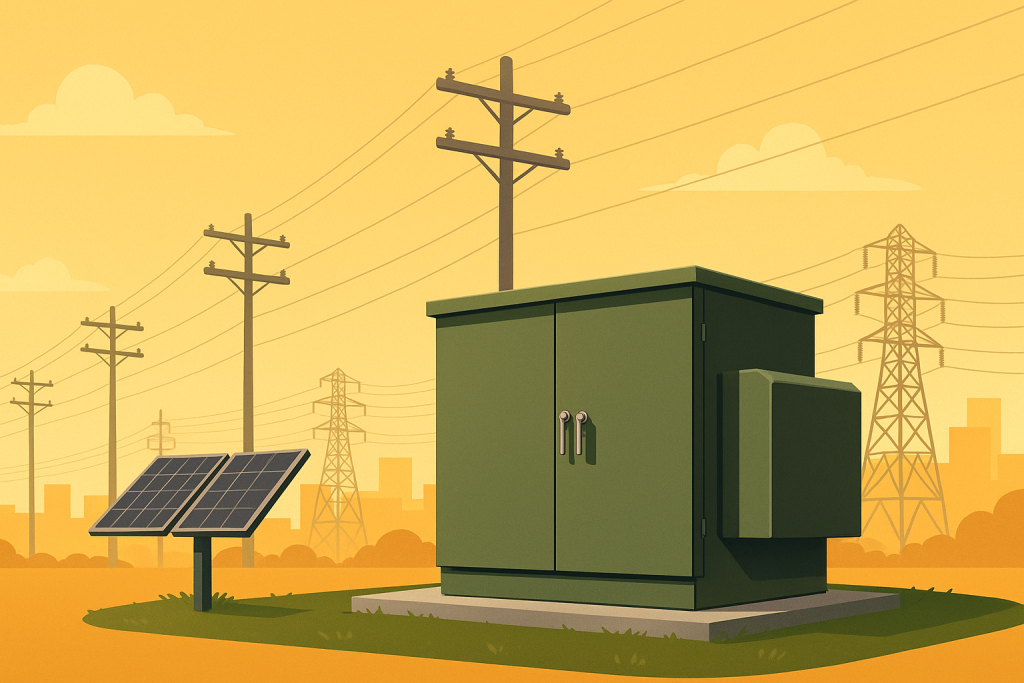
A pad-mounted transformer is a fully enclosed electrical unit used to convert high-voltage electricity into a level that can be safely distributed to homes, commercial buildings, and industrial areas.
Unlike traditional overhead transformers that sit on utility poles and rely on visible wiring, a pad-mounted transformer is installed at ground level and housed inside a secure cabinet. This design makes it suitable for public locations and high-traffic environments.
They use a sealed enclosure and compact footprint. They don’t require a pole, open wiring, or a large installation space. This is why they are frequently placed in sidewalks, residential areas, and business parks.
Because reliability and safety depend on quality, utilities often select professionally manufactured units for distribution. Many expanding grids use systems such as the QXG pad mounted transformer because they are high-quality, offer stable voltage conversion, and support a wide range of installation demands.
So instead of a bulky substation or overhead equipment, these transformers give utility companies a small, ground-level alternative that delivers power where it is needed most.
How Pad-Mounted Transformers Support Grid Expansion
Utility companies are changing the way electricity moves across a city. Power has to reach new neighborhoods, industrial clusters, EV charging networks, and commercial sites. So, these transformers help utilities expand the grid in a simpler and more flexible way. Here’s how:
- Better load balancing: One of the biggest challenges in grid expansion is managing power flow when demand rises. They allow utilities to place the transformer closer to where the energy will be used. This reduces stress on the main network and stops a single substation from becoming overloaded. It also helps maintain stable voltage as new areas connect to the grid.
- Lower transmission loss: Traditional power infrastructure sends electricity over long distances, which increases energy loss. These transformers shorten that journey. Because the transformer is close to the end-user, electricity travels through fewer lines and loses less energy. That means more efficient distribution without redesigning the whole network.
- Supports renewable energy and distributed generation: Today’s grids are not just receiving electricity from one source. Renewable farms, commercial rooftop solar, and local micro-generators send energy into the system too. These transformers are compatible with these setups because they work well in decentralized systems. They help utilities absorb and distribute renewable power without building new substations.
- Simplifies expansion and grid segmentation: When a city grows, you don’t always have the luxury of building large-scale power facilities. They make it easier to add new capacity one step at a time. They also help utilities isolate a faulty section of the grid. If there is an outage, a pad-mounted transformer lets the operator separate the problem quickly so the rest of the network stays active. This improves service reliability and keeps disruptions under control.
In simple words, these transformers are not just equipment added to infrastructure. They are an approach that lets utilities expand power networks at the same pace as community development, without huge construction work or delays.
Benefits for End Users of Electricity
The upgrades behind the scenes bring real perks to people who use electricity every day.
- More stable power supply: With electricity distributed closer to homes or offices, voltage fluctuations drop. That means fewer flickers, fewer blown appliances, and steadier energy delivery.
- Fewer blackouts and faster recovery: Because each transformer supports a smaller area, an issue in one transformer doesn’t shut down the whole grid. Repairs or replacements are faster and less disruptive.
- Better service for growing demand: As more homes, EV chargers, and businesses connect, pad-mounts scale to meet higher load without overtaxing old lines.
- Cleaner infrastructure aesthetic: No overhead wires or big substations spoiling the neighborhood look — just a small, secure unit tucked away. That adds to safety and community appeal.
For the everyday user, these improvements may go unnoticed — until they’re needed. But they directly influence comfort, reliability, and the long-term health of the power supply.
Conclusion
As electricity demand surges worldwide, the need for reliable infrastructure becomes critical. They offer a practical and effective solution for modern grid expansion. They enable utilities to scale distribution, support new developments, and deliver stable power to homes and industries. For end-users, that means fewer outages, steady voltage, and peace of mind. When power networks grow, investments in smart distribution ensure energy remains accessible, stable, and safe for everyone.