
When most people hear “synthetic indices”, they imagine fast trading screens and risky financial bets. But behind that surface, there’s actually something quite useful and relevant for businesses: controlled simulation.
Synthetic indices are not driven by real-world news or political events. Their movements are created by algorithms and predefined models. This makes them artificial market environments where different scenarios can be tested without real-world consequences.
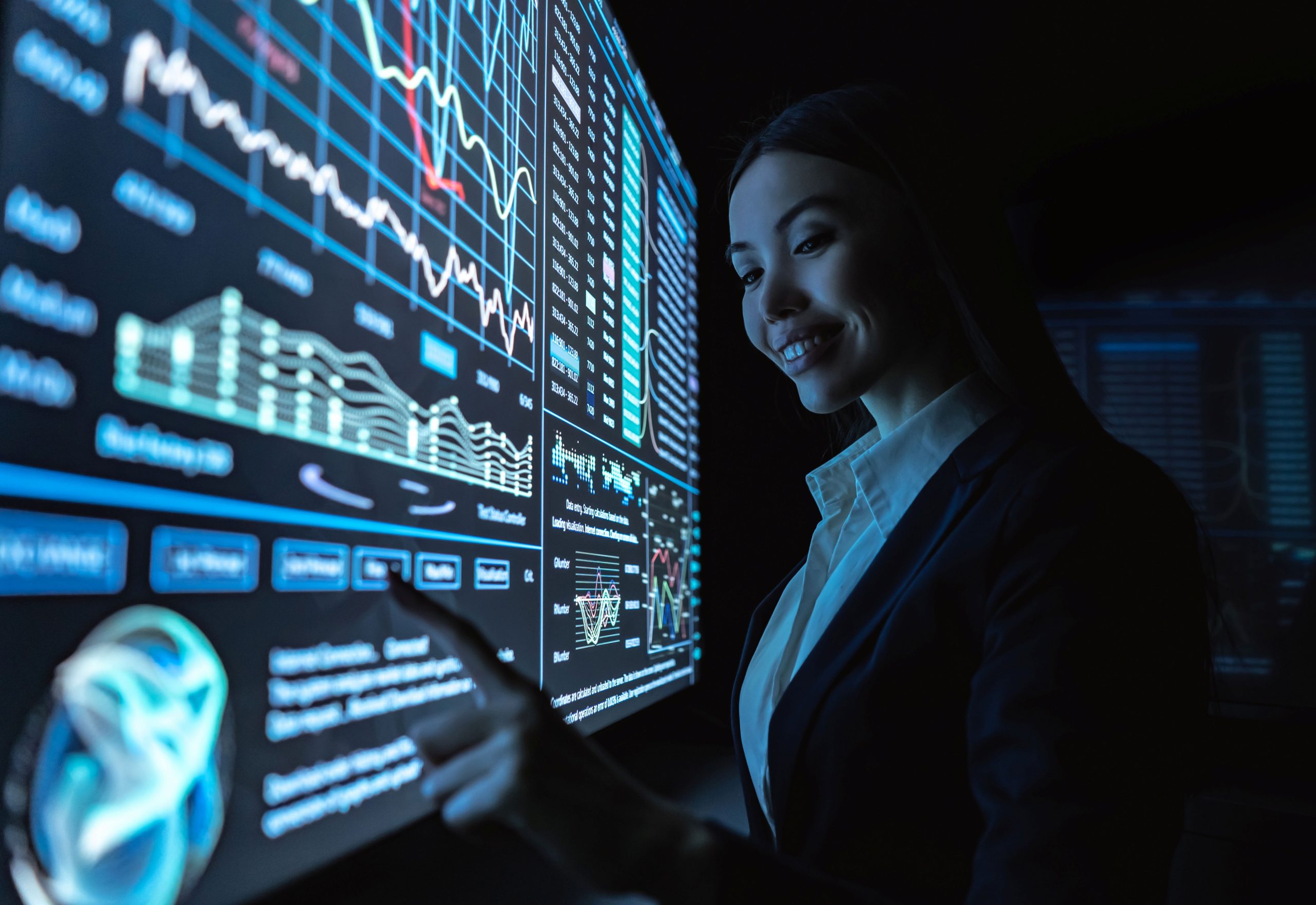
In many ways, this is similar to what companies do inside their ERP systems when they simulate demand, supply chain risks or financial outcomes.
Some trading platforms, like https://www.weltrade.com/, use these synthetic environments mainly for market scenarios. From a business perspective, however, what matters is not the trading itself, but how these systems simulate complex behavior through algorithms.
From Artificial Markets to Business Decision Systems
Large organizations today rely heavily on simulations, even if they don’t always call them that.
They simulate future demand, supply chain disruptions, production bottlenecks, financial risks, and different growth scenarios — all inside digital systems driven by structured data and algorithms.
This is where the common “manipulation” discussion around synthetic indices changes meaning. In business, the real question is not whether a system is manipulated, but whether it can be trusted.
And trust depends on a few simple foundations:
- Good quality data
- Realistic assumptions
- Clear model logic
- Transparency in how results are produced
When any of these are missing, even the best technology can feel unreliable.
What Businesses Can Take Away from This
Synthetic indices actually offer a simple lesson for companies:
Modern systems are no longer just tools that store information. They are tools that help you test decisions before you make them.
The randomness inside these systems is not about gambling. It’s about preparing for uncertainty, stress-testing strategies and understanding weak points before they become real problems.
Companies that understand this don’t use simulations to predict the future perfectly.
They use them to be less surprised by it.
And in today’s unpredictable business environment, that’s already a powerful advantage.