

The alignment of IT operations with overall business objectives is no longer optional. Organizations are under constant pressure to deliver innovative solutions, streamline operations, and enhance customer experiences, all while managing costs and mitigating risks. Yet, many companies still face a persistent challenge: the disconnect between IT departments and business leadership. This gap can result in misaligned priorities, inefficient processes, and missed opportunities for growth. Integrated solutions offer a powerful approach to bridge this divide, ensuring that technology investments directly support strategic business goals.
Understanding the Disconnect
Traditionally, IT has been viewed as a support function rather than a strategic partner. IT teams focus on infrastructure, security, and system performance, while business leaders concentrate on revenue, market growth, and customer satisfaction. While each side has its own priorities, a lack of collaboration can lead to several issues. For instance, IT may implement technology solutions that are robust but don’t directly address business needs, or business teams may demand features without understanding the technical implications. This disconnect slows down project delivery, increases costs, and can create frustration across the organization.
The Role of Integrated Solutions
Integrated solutions aim to unify IT operations and business processes, creating a seamless link between technology deployment and business objectives. By providing real-time visibility, analytics, and automated workflows, these solutions enable both IT and business teams to work from the same data and insights. For example, integrated enterprise resource planning (ERP) systems can connect finance, supply chain, and IT, allowing decision-makers to see the direct impact of technology on operational efficiency and profitability. Similarly, integrated customer relationship management (CRM) platforms can ensure that IT supports business initiatives designed to enhance customer engagement and retention.
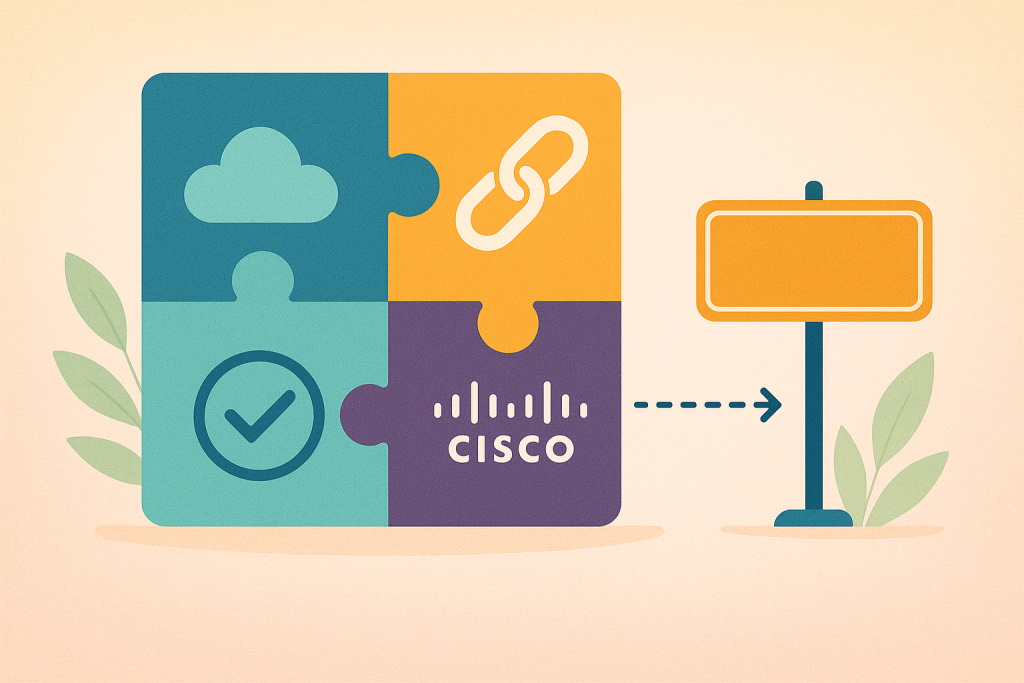
Selecting the Right Technology Partners
Choosing the right technology partners is critical for successful integration. Vendors and service providers who understand both IT infrastructure and business strategy can help organizations implement solutions that align with their goals. Companies seeking robust networking and collaboration platforms may turn to a trusted Cisco reseller, ensuring they have access to enterprise-grade solutions backed by expert support. By leveraging established technology providers, organizations can reduce implementation risks and accelerate the realization of business benefits.
Driving Collaboration and Strategic Alignment
The adoption of integrated solutions encourages a culture of collaboration. When IT teams understand the business impact of their work, they can prioritize initiatives that deliver measurable value. Conversely, business leaders gain insight into the capabilities and constraints of technology, enabling informed decision-making. This alignment fosters a more agile organization that can respond quickly to market changes and technological advancements.
Moreover, integrated solutions facilitate better measurement of outcomes. By connecting IT metrics with business performance indicators, organizations can quantify the return on technology investments. For example, reducing system downtime not only improves IT efficiency but also enhances employee productivity and customer satisfaction. This dual perspective ensures that technology initiatives aren’t viewed in isolation but as integral components of broader business strategy.
Conclusion
Bridging the gap between IT operations and business goals requires more than technology; it demands a strategic approach that unites people, processes, and systems. Integrated solutions provide the framework to achieve this alignment, enabling organizations to translate IT investments into tangible business value. With the right tools and partners in place, companies can foster collaboration, enhance efficiency, and drive innovation, ultimately achieving a competitive edge in a rapidly evolving market.