Ask anyone who’s spent time on a remote mine site in the Pilbara what actually keeps operations running smoothly, and the answer rarely comes down to a single factor. It’s the accumulation of dozens of operational details done right, hazardous waste handled correctly, equipment matched properly to the task, and safety systems that hold up under real pressure, not just on paper. Get any one of these wrong on a large-scale mining operation, and the consequences compound fast.
Understanding how these three areas work, and where mining companies most often find real improvement in each, helps explain why they’ve become such a central focus across the industry.
Why Site Risk in Mining Is Genuinely Different
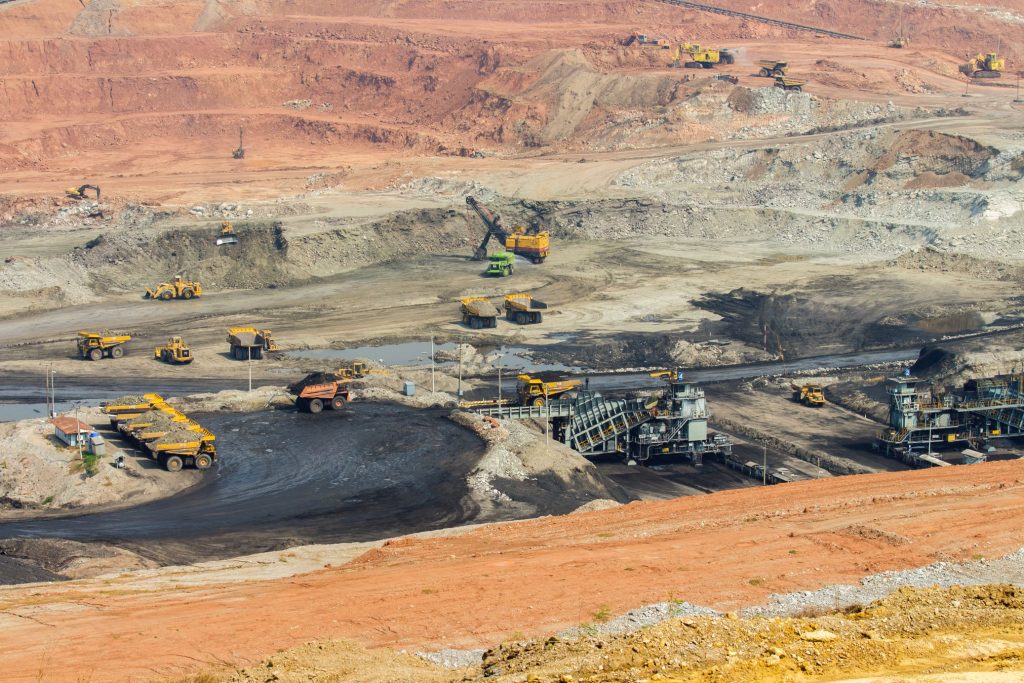
It helps to understand the specific nature of risk in this industry rather than treating it as generic workplace safety. According to Safe Work Australia, body stress accounts for 39% of workers’ compensation claims in mining, largely from muscular stress while handling, carrying, or putting down objects, while falls, trips, and slips account for another 25%, and being hit by moving objects or machinery accounts for 18% of claims.
That breakdown matters because it points toward specific, addressable causes rather than vague notions of a “dangerous industry.” Manual handling, ground conditions, and machinery interaction are all areas where deliberate operational changes can meaningfully reduce risk, rather than treating safety incidents as an unavoidable cost of doing business.
Managing Waste Safely on Mining Sites
Hazardous waste handling isn’t just an environmental compliance issue, it’s directly tied to site safety. A few specific risks show up repeatedly on sites with inadequate waste management systems:
- Improperly stored hazardous materials can create fire, chemical exposure, or contamination risks that affect workers well beyond the immediate storage area
- Inconsistent waste tracking makes it harder to identify exactly what’s on site during an emergency response situation
- Delayed waste removal can create bottlenecks that force workers into improvised handling situations outside proper procedure
- Poorly planned spill response turns a containable incident into a much larger environmental and safety event
Treating waste management as a genuine safety function, not just a regulatory checkbox, tends to produce measurably safer sites overall. That means building tracking, storage, and disposal procedures directly into daily operations, rather than addressing them only when a regulator asks.
Choosing the Right Equipment for Mining Operations
This is really the middle of what separates a well-run site from one perpetually managing preventable incidents. Using the wrong equipment for a given task, whether that’s an underpowered vacuum unit for a large-scale material recovery job or a pressure system not rated for the specific cleaning task at hand, creates exactly the kind of situation where corners get cut and injury risk climbs.
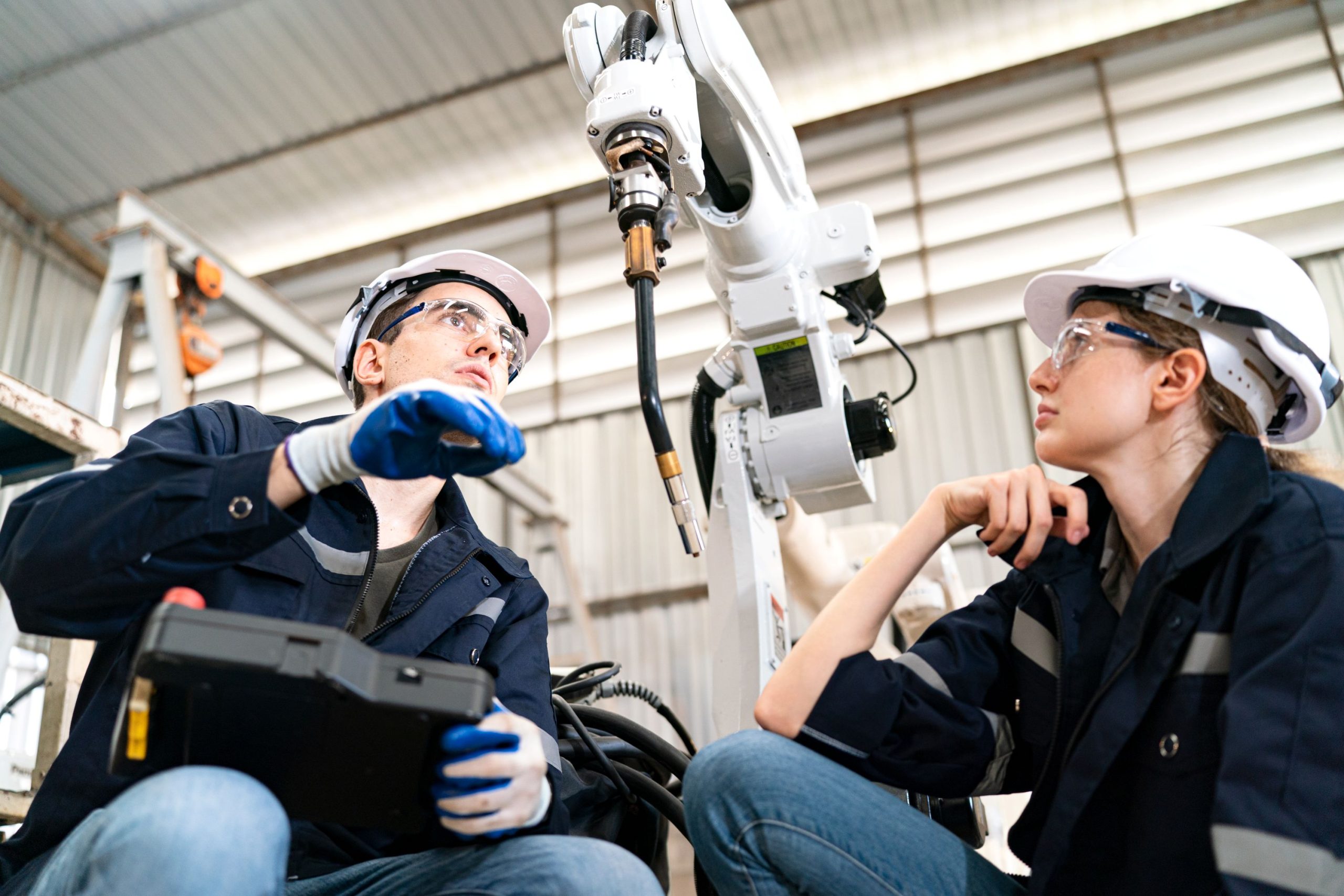
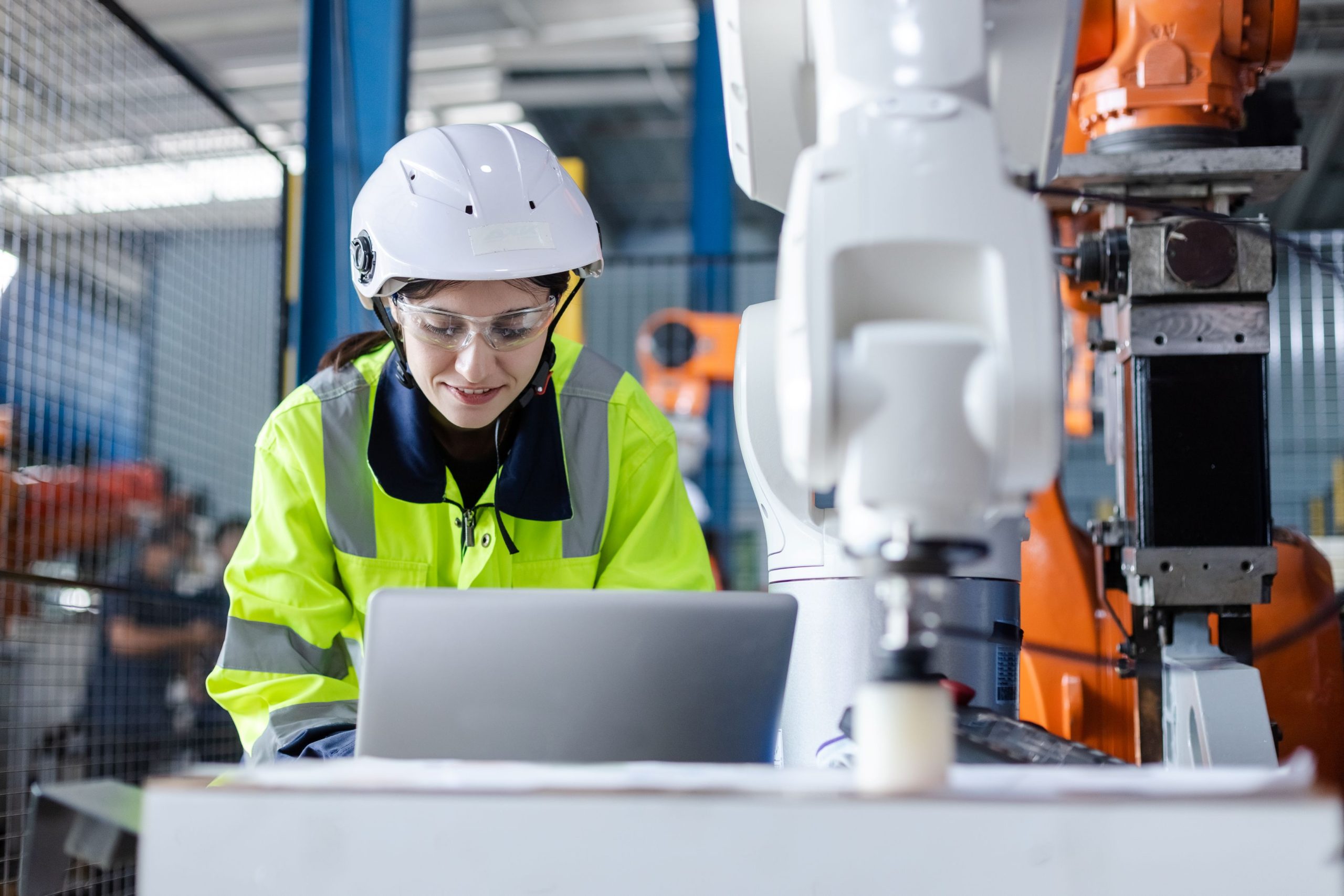
Working with an experienced provider like GSD WA gives mining companies access to properly matched heavy vacuum units, high-pressure water blasting systems, and robotic hydro-demolition equipment selected specifically for each project’s actual scope, rather than working around whatever equipment happens to be available on site.
Getting this right also means reviewing equipment choices project by project rather than defaulting to a standard configuration. A task’s material type, scale, and access conditions should genuinely drive which equipment gets deployed, not just what’s already on hand.
Building Safer Mining Site Operations
Safety performance ultimately depends on how well waste handling and equipment decisions get translated into daily practice on site. A few concrete steps make the biggest difference here:
- Building waste handling protocols directly into safety planning from the earliest project stages, rather than treating them as a downstream compliance task
- Training crews on both the equipment and the specific hazards of the materials they’re handling, since equipment familiarity alone doesn’t cover material-specific risks
- Documenting and reviewing incidents across waste, equipment, and procedure together, since a waste-handling near-miss often reveals an equipment or process gap worth addressing more broadly
- Reinforcing manual handling and ground-condition awareness specifically, given how heavily these two factors drive the industry’s actual claims data
Sites that manage these areas together, rather than in isolated silos, tend to catch problems earlier and resolve them more thoroughly.
Why Treating These Three Areas Together Matters
As mining companies face continued pressure to reduce incident rates while managing increasingly complex hazardous waste obligations, the operations that treat waste, equipment, and safety as connected, rather than separate departments competing for budget and attention, tend to come out ahead on both safety outcomes and operational efficiency. That integrated mindset is increasingly what separates sites with genuinely strong safety cultures from those simply meeting minimum compliance requirements.
Conclusion
Managing waste, equipment, and site safety well isn’t three separate challenges for a mining company to solve individually, it’s one interconnected operational discipline, where a gap in any single area tends to create risk in the others.
Given how specific and well-documented the actual risk drivers in mining are, body stressing, falls, and equipment-related incidents chief among them, companies that address these three areas together, with properly matched equipment, integrated safety planning, and genuine waste-handling discipline, are positioned to protect both their workforce and their operations far more effectively than those still treating these as separate boxes to check.