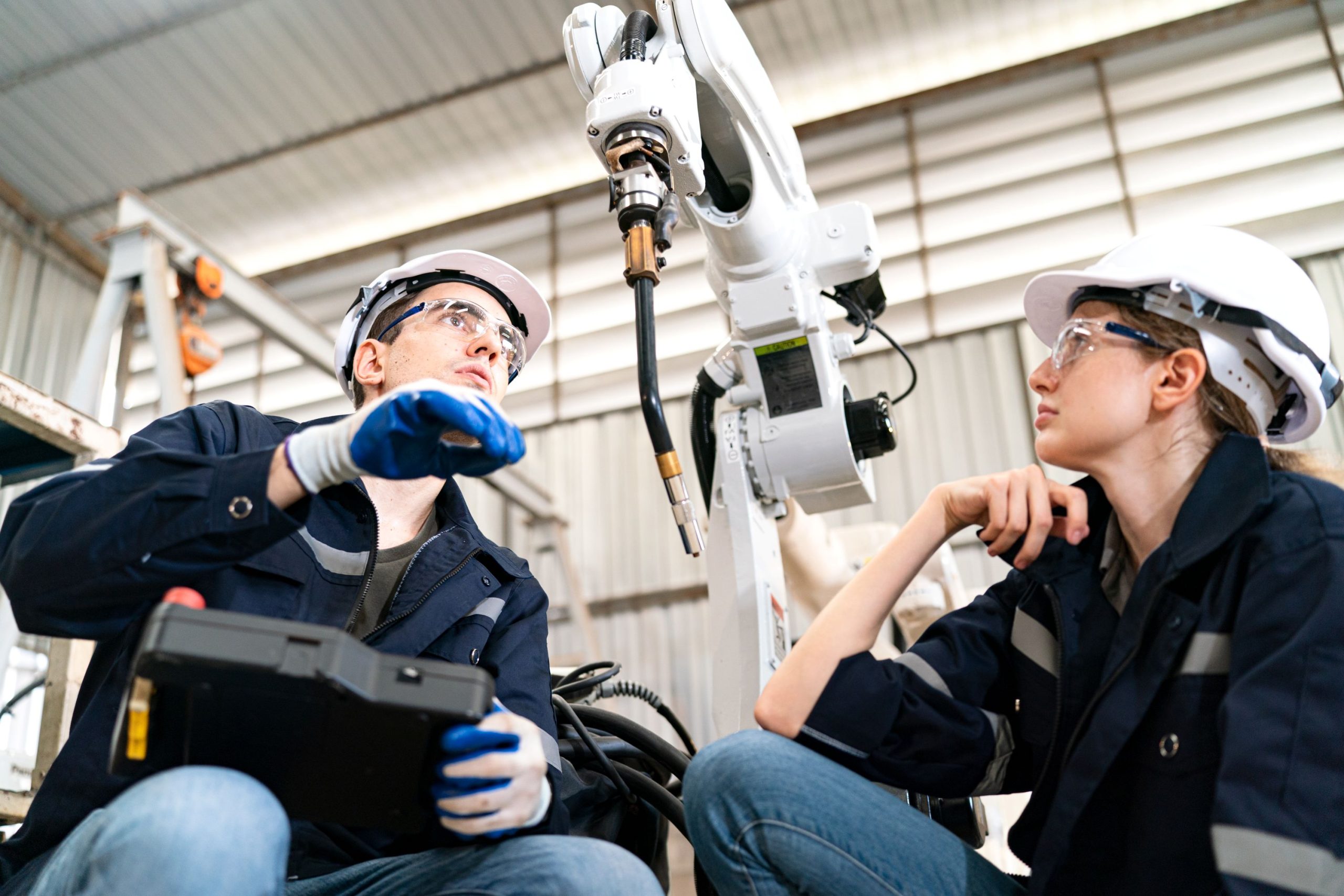
Industrial facilities handle equipment capable of causing serious harm if it starts up unexpectedly while someone is servicing it. This is exactly the risk that lockout tagout procedures exist to prevent, and at the center of every effective lockout program sits a component that is easy to underestimate precisely because it looks so simple: the padlock itself, the physical device responsible for actually preventing energized equipment from restarting during maintenance work.
Understanding why a dedicated padlock system, rather than a collection of generic hardware store locks, genuinely matters for facility safety helps explain why this seemingly small equipment decision carries such significant weight. Here is a detailed, section by section look at this connection.

1. General Purpose Padlocks Were Never Built for This Job
Many facilities, particularly smaller ones building out their first formal safety program, initially rely on whatever padlocks happen to be on hand, often generic hardware store locks intended for basic security purposes rather than industrial lockout applications. These general purpose locks lack the specific features that a genuine lockout system requires, including individually keyed accountability, high visibility identification, and construction suited to harsh facility conditions.
This gap between generic hardware and genuine lockout requirements creates real vulnerabilities that often go unnoticed until a safety audit, or worse, an actual incident, reveals just how inadequate the existing equipment genuinely was for the job it was being asked to do.
2. A Dedicated System Enables Real Individual Accountability
Effective lockout procedures depend on a simple but critical principle: the person who locks out a piece of equipment should be the only person who can remove that lock. A dedicated padlock system, with proper keyed different or carefully managed keyed alike configurations, supports this accountability directly, ensuring that equipment cannot be reenergized until the specific worker who applied the lock has personally removed it.
Facilities relying on a mismatched collection of generic locks often cannot maintain this accountability reliably, particularly as the facility grows and more workers need individually traceable lockout devices across multiple simultaneous procedures happening throughout a busy shift.
3. Industrial Conditions Demand Genuine Durability
Facility environments regularly expose equipment to extreme temperatures, moisture, chemical exposure, and constant physical wear that consumer grade hardware was simply never designed to withstand reliably over time. A dedicated system of safety padlocks is specifically engineered with corrosion resistant materials and weatherproof construction built to maintain reliable function even after extended exposure to these demanding conditions, which matters enormously since a lock that fails to function defeats the entire purpose of the lockout procedure it exists to support.
According to the experts at ELECPOPULAR SAFETY, facilities that standardize on purpose built lockout equipment consistently see fewer equipment related failures during actual lockout procedures compared to facilities relying on a mismatched assortment of general purpose padlocks acquired without a coordinated safety equipment strategy.
4. Clear Visual Identification Prevents Dangerous Confusion
Dedicated lockout padlocks typically come in bright, easily recognizable colors with clear labeling options, allowing workers and supervisors to quickly identify who has locked out a specific piece of equipment and why. This visual clarity becomes genuinely critical in busy facilities where multiple lockout procedures may be happening simultaneously across different equipment throughout a shift.
Generic padlocks, typically available only in standard brass or black finishes, lack this kind of visual distinctiveness entirely, creating exactly the kind of confusion that a well designed, purpose built lockout system is specifically intended to prevent.
5. Standardization Simplifies Training and Compliance
A facility using a single, dedicated lockout padlock system across all departments simplifies worker training considerably, since employees only need to learn one consistent system rather than adapting to whatever mismatched hardware happens to be available in a given department or shift. This standardization also makes compliance documentation and safety audits considerably more straightforward, since the equipment itself demonstrates a coordinated, deliberate safety approach rather than an improvised one.
Facilities that have gone through a formal safety audit often discover that equipment standardization is one of the more commonly cited gaps, an issue that is genuinely straightforward to correct once identified but easy to overlook until an outside reviewer specifically flags it.
6. The Enforcement Data Underscores the Stakes
According to the Occupational Safety and Health Administration, lockout tagout violations remain consistently among the most frequently cited workplace safety violations in the United States each year, with inadequate or improperly implemented lockout equipment contributing to a significant number of serious workplace injuries involving unexpected equipment energization during maintenance work.
This enforcement and injury data reinforces why facilities should treat lockout equipment, including something as seemingly straightforward as the padlock itself, as a genuine safety investment deserving serious consideration rather than a minor procurement afterthought handled without much scrutiny.
Final Thoughts
A dedicated lockout padlock system is not simply a nice to have upgrade for industrial facilities, it is a foundational component of any genuinely effective lockout tagout program. Standardized, purpose built equipment supports individual accountability, withstands demanding facility conditions, prevents dangerous confusion through clear visual identification, and simplifies both training and compliance documentation.
For facilities still relying on a mismatched collection of general purpose padlocks, evaluating whether current equipment genuinely meets the demands of the application is a worthwhile and important exercise. The relatively modest investment in proper lockout equipment is a small price compared to the genuine protection it provides workers performing some of the most safety critical tasks in any industrial environment.