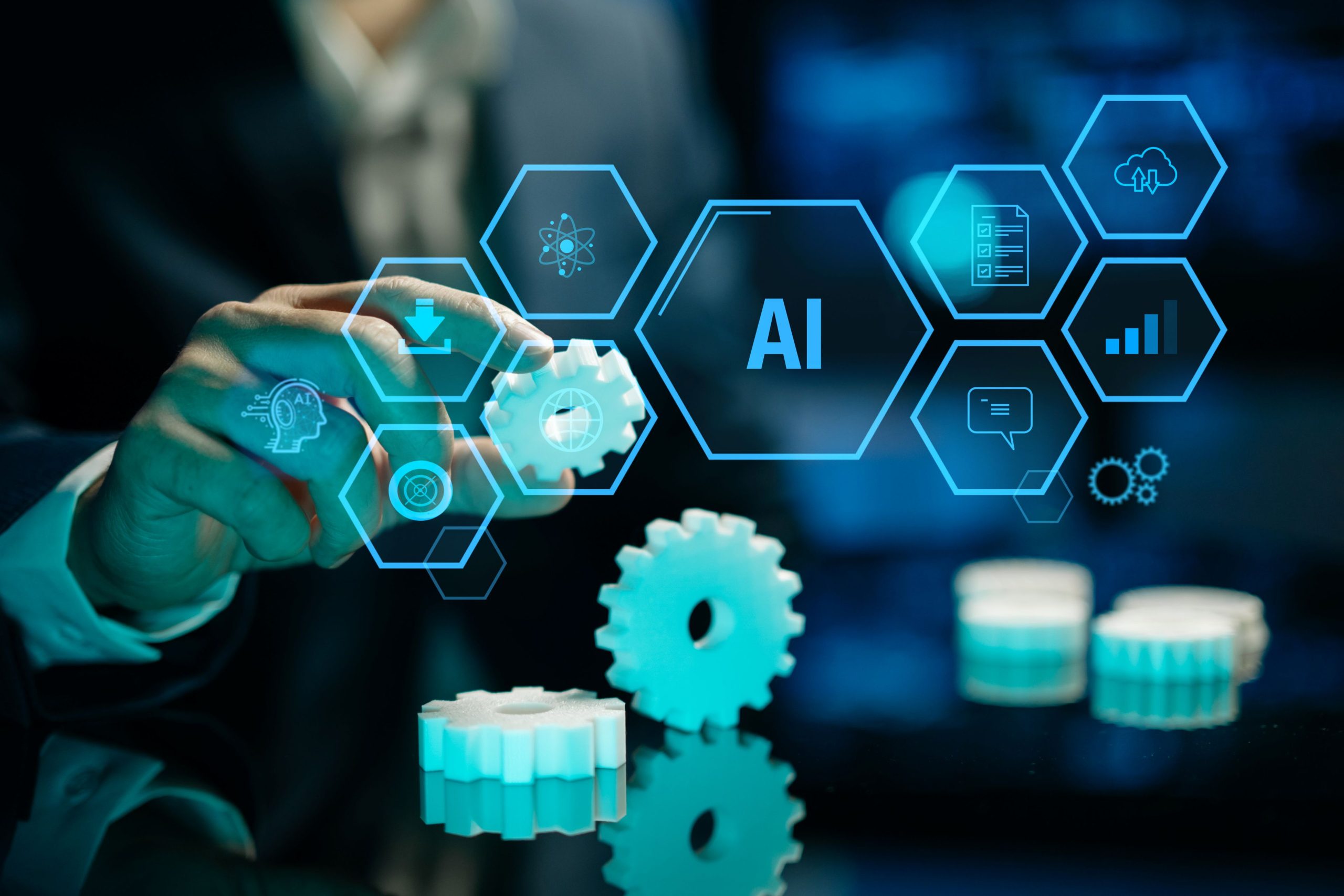
Artificial intelligence is rapidly becoming part of everyday work across professional services organizations. Yet while many firms have adopted AI assistants to help individuals draft documents, summarize meetings, or generate content, fewer solutions address the operational workflows that keep firms running. As firms balance productivity gains with governance, compliance, and institutional knowledge, the next phase of AI adoption is shifting toward systems built around the business itself.
With that objective in mind, Intapp has announced the general availability of Celeste, an AI coworker designed specifically for professional services firms operating in highly regulated industries. The new platform extends Intapp’s governed AI capabilities by combining proprietary firm knowledge, business workflows, and compliance controls to automate key operational processes across the services lifecycle.

AI Built Around the Business of the Firm
Unlike general-purpose AI assistants, Celeste is designed to support the business functions behind professional services delivery. The platform automates workflows ranging from deal screening and conflicts clearance to business development, pricing, lateral hiring, and investment committee preparation.
Rather than relying solely on publicly available AI models, Celeste operates using each firm’s own data, documents, historical engagements, and governance policies. Native integrations with enterprise platforms—including CRM, document management, collaboration, and business applications—allow the AI to work with real-time business context while respecting existing security and compliance requirements.
According to Intapp, this enables firms to automate complex workflows without compromising confidentiality, ethical walls, or regulatory obligations.
From AI Assistant to AI Coworker
The launch introduces what Intapp describes as an AI coworker—one that not only responds to user requests but also executes structured business workflows through configurable playbooks.
Organizations can leverage prebuilt playbooks covering areas such as client intake, proposal generation, conflicts management, fundraising, and business development, while also creating their own no-code workflows tailored to internal processes.
“Firms will run several kinds of AI: horizontal assistants for everyday work, practice AI for the work product, and Firm AI for the business of the firm itself,” said Thad Jampol, Co-Founder and Chief Product Officer at Intapp.
“That’s Celeste—an expert AI coworker built on a firm’s own playbooks, knowledge, and guardrails. When a conflicts team can clear ten times the matters and a fund can screen ten times the deals, that’s not saved time—it’s a new business model.”
Early Adoption Across Multiple Sectors
Several organizations are already using Celeste in production environments.
Legal firm BakerHostetler is applying the platform to accelerate intake and conflicts processes, while private capital firm Hg is using it to support investment screening based on its own investment mandate and historical deal knowledge.
The platform is also intended for accounting, consulting, investment banking, and real assets firms where relationship intelligence, governance, and specialized workflows play a central role in daily operations.
A Broader Shift Toward Context-Aware AI
The launch reflects a growing trend in enterprise AI: moving beyond standalone productivity tools toward AI systems that understand how organizations actually operate.
For professional services firms, competitive advantage depends not only on individual expertise but also on institutional knowledge, repeatable processes, and trusted governance. By combining AI with firm-specific data and established business workflows, vendors are increasingly positioning AI as an operational layer that supports growth, improves decision-making, and reduces administrative complexity.
As firms continue investing in AI, solutions capable of working within existing governance frameworks—rather than around them—are likely to become an increasingly important part of enterprise technology strategies.

ERP News Editorial Team
The ERPNews Editorial Team covers global developments in ERP (Enterprise Resource Planning), enterprise software, cloud platforms, AI, automation, and digital transformation, providing independent news and editorial analysis for senior business and technology leaders. Our reporting focuses on market signals, strategic shifts, and enterprise impact across the ERP and enterprise technology ecosystem.
For editorial inquiries, please contact:
📩 [email protected]