
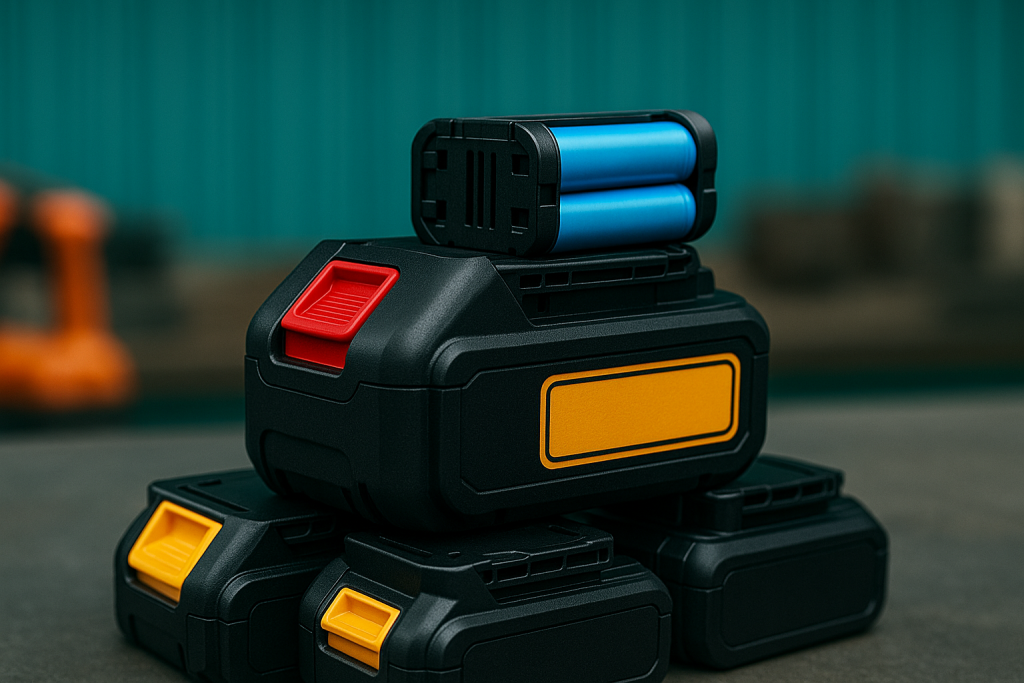
In the manufacturing world, performance issues rarely appear where people expect them. A product may pass design checks yet fail in real-world operating conditions. When that happens, the problem is often traced back to unstable energy delivery inside the system. For companies that build cordless equipment for professional markets, consistency matters more than almost anything else.
Output drops, heat buildup, and weak endurance can quietly damage brand trust over time. These challenges can be significantly reduced when brands partner with experienced battery manufacturers that understand industrial demand and the needs of large-volume production. With proper support, technical standards, and consistent testing, long-term stability becomes far easier to protect across every production run.
Understanding Battery Technology for Your Needs
Energy storage systems act as the operating core inside every cordless unit. They manage how current flows, how heat builds, and how long stable output can be maintained. Earlier systems relied on heavier internal structures that produced unstable behavior under stress. Newer configurations use lighter materials that support more predictable discharge patterns.
Voltage defines how much mechanical force a tool can deliver during demanding work. Capacity determines how long consistent output can be maintained before recovery is required. These values influence production testing and user satisfaction equally. Tool brands, therefore, depend heavily on reliable battery partners that can deliver consistent chemistry selection, controlled cell grouping, and dependable output behavior across every batch.
Key Factors When Sourcing Battery Systems
Clear performance goals must be defined before supplier engagement begins. Load strength, expected runtime, and recharge timing all shape the required system. Charging speed influences production throughput during testing. Heat resistance affects long-term safety under repeated cycles. Certifications protect facilities, workers, and end users. Warranty structure affects how brands manage post-sale responsibility.
Many manufacturers place significant weight on choosing stable power tool battery partners that operate with certified processes and strict testing routines. Providers like RHY Battery are frequently selected because they support OEM and ODM requirements, maintain controlled production standards, and deliver consistent output across high-volume supply programs. This level of technical discipline reduces variation in failures and supports predictable performance across entire product lines. Such trusted providers also assist brands with design refinement, capacity planning, housing compatibility, and custom-engineered energy solutions for professional tool ranges.
Choosing Battery Specifications for Tool Categories
Different tool families require different levels of support. Light-duty platforms rely on short bursts rather than extended runtime strength. These products operate comfortably within modest discharge windows. Medium-duty platforms require balanced output over extended cycles because repeated daily use gradually increases internal resistance. Heavy-duty platforms face intense operational demands, long service life, and high thermal loads. Deep discharge becomes normal rather than occasional.
Durability, endurance, and stable heat behavior must be treated as the top priorities. Field equipment introduces another challenge. Remote operations can restrict access to charging stations. Endurance becomes essential in environments with limited recovery opportunities. Factory-based workflows enable predictable charging access, making recovery speed more valuable than peak endurance for some product lines.
Common Battery Sourcing Mistakes to Avoid
A low price can attract attention early in the selection process. Short-term gains often shift into long-term risk when output weakens within months of deployment. Inferior systems lose effective capacity faster than expected, leading to performance inconsistencies across entire batches. Connection mismatch creates unstable electrical flow and elevated internal heat levels. Runtime estimates are frequently miscalculated, since real-world usage patterns almost always exceed controlled simulations.
Safety documents are sometimes overlooked during fast-moving projects, increasing transport and storage risks. Overreliance on a single source increases vulnerability in production. Another frequent oversight comes from ignoring internal testing data, where proper cell balancing directly influences how long energy systems remain stable across repeated cycles. Avoiding these mistakes supports smoother launches and reduces unwanted service pressure.
Battery Management for Long-Term Tool Reliability
Proper handling habits significantly influence how long internal energy systems remain stable. Deep discharge cycles create stress that accelerates internal breakdown. Partial cycles help preserve internal balance for more extended periods. Storage temperature controls many internal reactions that shape real-world reliability. Elevated heat weakens internal structures, while extreme cold slows early response behavior.
Clean terminal contact supports more effortless current movement during activation. Dust buildup increases resistance and disrupts performance. Excessive workload stress weakens internal components and shortens service life. Rotating usage across multiple units distributes wear more evenly, allowing long-term stability across entire product fleets. These care practices help manufacturers maintain steady field performance and reduce replacement demand across extended market cycles.
Conclusion
Reliable energy systems play a major role in long-term product confidence. Stable output protects both engineering goals and field performance. Strong sourcing decisions reduce warranty pressure and minimize unexpected failures. When manufacturers align specifications with dependable production support, they gain predictable performance across every batch. By partnering with reliable suppliers and following structured care standards, brands strengthen product value and maintain credibility in demanding markets.