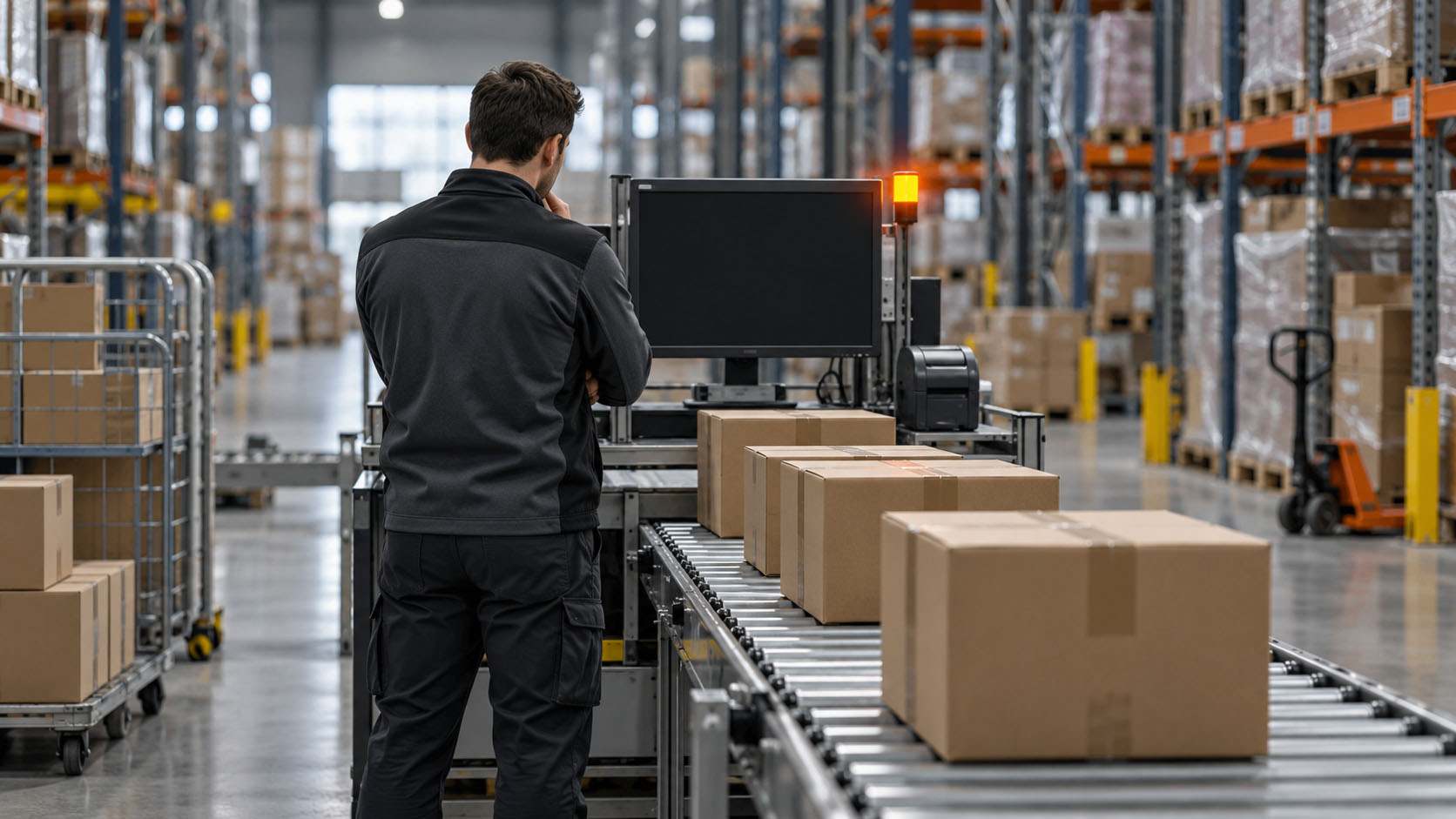
Walmart is committing approximately $6 billion over several years to expand its work with Symbotic, adding automation capabilities at 25 U.S. regional distribution centers. The agreement brings together warehouse robotics and AI-enabled orchestration software to support greater storage capacity, e-commerce inventory management and more reliable replenishment.
Announced October 29, the expanded commercial agreement builds on more than a decade of collaboration between the companies. It also supports additional opportunities across Walmart’s global supply chain, although the specific facilities identified in the announcement are in the United States.
The investment addresses a distribution challenge that reaches beyond the warehouse floor. As Walmart serves customers through stores, curbside pickup and home delivery, its supply chain must manage the inventory and product flows supporting those different shopping channels. The expanded automation program is intended to strengthen that physical and digital infrastructure.
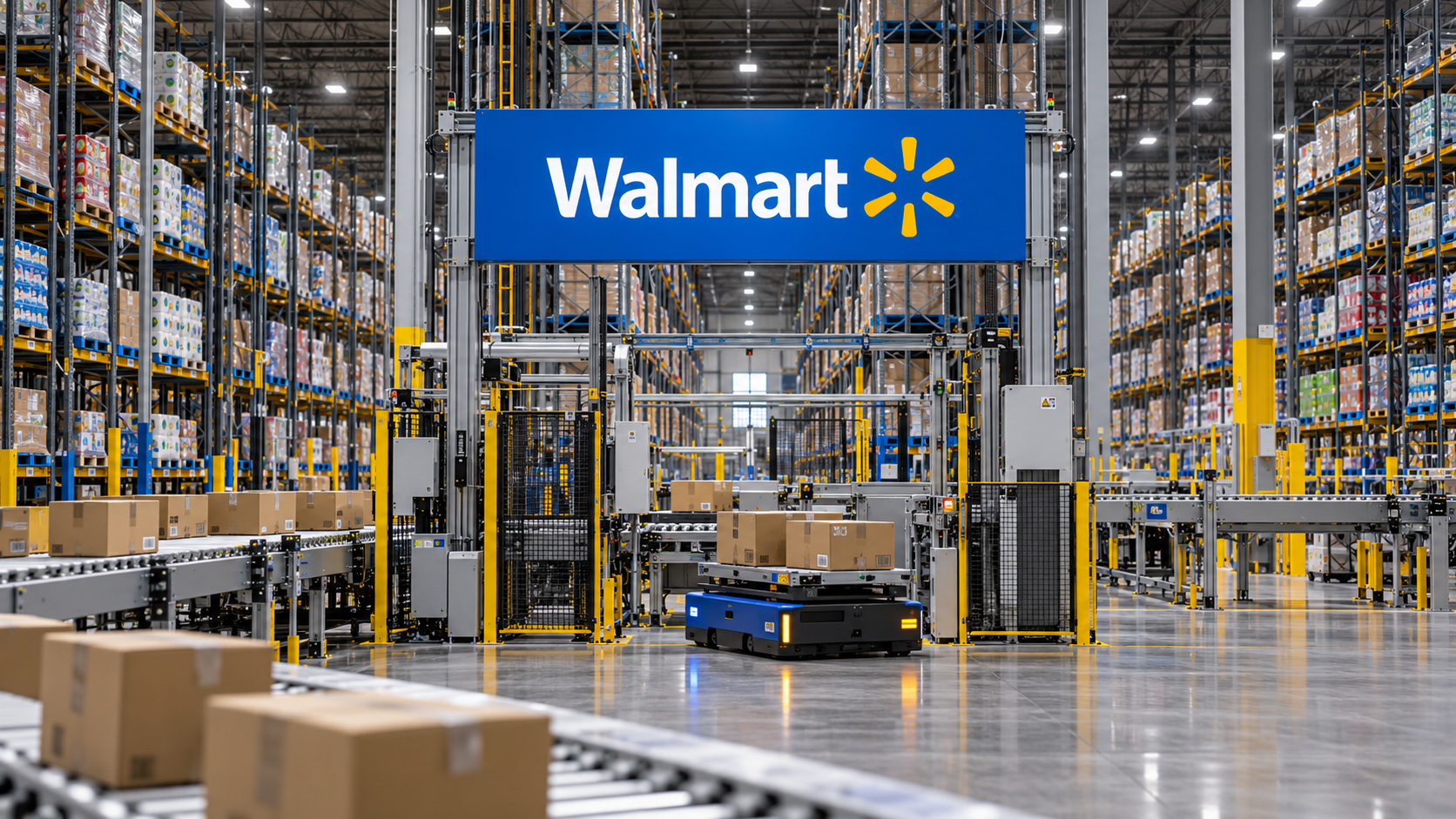
A larger role for automation in Walmart’s distribution network
Under the expanded agreement announced by Walmart and Symbotic, the initial spending commitment covers work over several years and across multiple locations. The companies plan to bring further automation capabilities to the 25 regional distribution centers, extending an existing relationship.
Walmart’s stated priorities include increasing storage capacity, improving how products move through its supply chain and supporting upstream inventory management for e-commerce. The retailer expects those capabilities to help it offer a broader assortment while improving service speed and replenishment reliability.
These objectives connect several parts of distribution operations. Storage determines how much merchandise a facility can accommodate. Material handling determines how that inventory moves through the building. Replenishment depends on making products available for the next stage of the network when they are needed. Walmart’s announcement places all three within the scope of the expansion.
The 25-center figure describes the program’s announced U.S. footprint. The new capabilities have not been reported as live across all 25 facilities, and the companies have not disclosed a site-by-site deployment schedule or a final completion date.
The software behind the movement of goods
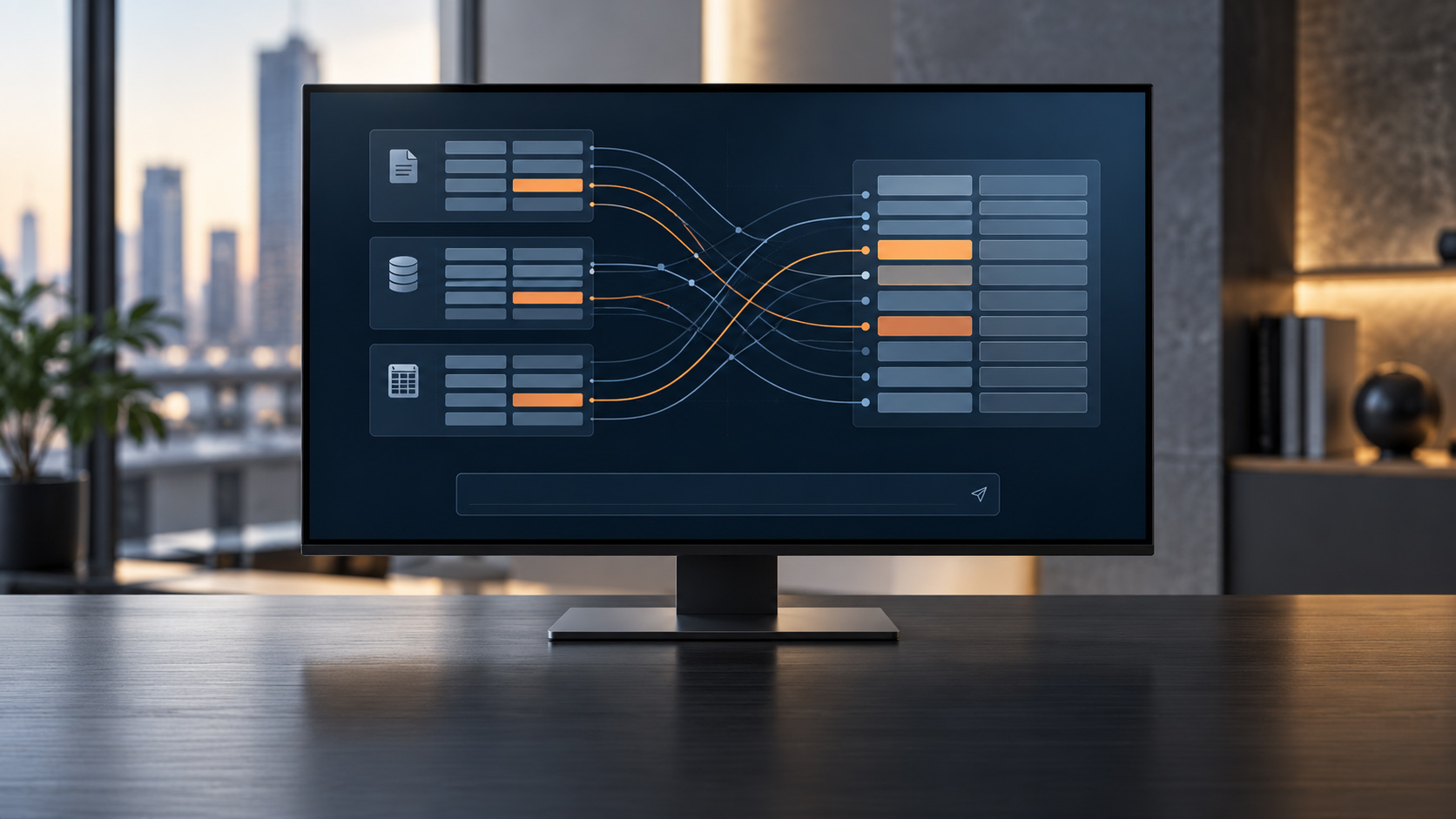
Symbotic’s technology combines robotic automation with proprietary software that uses AI to orchestrate and optimize material movement. According to the supplier, its software underpins all of its solutions and coordinates the movement of millions of cases every day.
That software role is a central part of the agreement’s significance for enterprise technology teams. Deploying robots creates physical handling capability, but the operation also requires coordination: merchandise must move through storage and handling processes in a way that supports the facility’s workload and downstream demand.
In this context, orchestration connects the automated equipment to the flow of goods the business needs to execute. Walmart’s emphasis on inventory management, capacity and replenishment makes the software controlling those movements an important component of the expansion.
The announcement does not describe the underlying algorithms or explain how operational decisions are divided between Walmart’s systems and Symbotic’s platform. It also does not name an ERP or warehouse management system involved in the program. The disclosed software role is the orchestration of Symbotic’s automation, rather than a replacement of Walmart’s broader enterprise application environment.
For organizations evaluating similar investments, the distinction matters. Inventory planning, warehouse execution and automated material handling are connected activities, but each carries different requirements for data, timing and control. Walmart’s program illustrates the scale at which physical automation is becoming part of enterprise supply chain investment, even though the integration architecture has not been made public.
An offering that extends into individual-item handling
Symbotic highlighted the development of its integrated offering as the relationship with Walmart has grown. Its portfolio now includes BreakPack, an each-picking solution, and SymMicro, a micro-fulfillment solution for e-commerce.
The two capabilities address different handling requirements within distribution and fulfillment. Each-picking concerns individual items, while micro-fulfillment supports e-commerce operations. Their inclusion in the announcement provides context for the broader range of supply chain work Symbotic is seeking to support.
Symbotic Chairman and CEO Rick Cohen said the Walmart relationship began with a single product more than a decade ago and has developed into an end-to-end offering. He positioned the expanded agreement as a continuation of that collaboration and a foundation for supporting Walmart’s future supply chain growth.
The release does not specify which of the 25 regional distribution centers will receive BreakPack, SymMicro or other capabilities. Those products are identified as components of Symbotic’s integrated portfolio, without a detailed allocation under the new agreement.
Supporting stores, pickup and home delivery
Rob Montgomery, executive vice president for Walmart U.S. Supply Chain Operations, connected the investment to the retailer’s efforts to bring more items to customers and members faster. In the joint announcement, he described Walmart’s physical and digital supply chain investments as supporting shopping in stores, at the curbside and at home.
Montgomery said the work with Symbotic, including the expanded agreement, is intended to improve service, grow capacity, simplify work for associates and lower costs. Those priorities place operational performance alongside the customer-facing benefits of a broader assortment and more reliable product availability.
The upstream inventory management objective is particularly relevant to that combination. E-commerce fulfillment depends on inventory being available before an order reaches its final handling and delivery stages. Improvements earlier in the distribution network can therefore support fulfillment operations further downstream, although the companies have not disclosed how the expanded systems will allocate or position inventory.
Greater storage capacity could also give Walmart additional flexibility in managing assortment and stock levels. The announcement does not quantify the expected increase, so the scale of that benefit will depend on the capabilities deployed and the operating conditions at individual facilities.
A spending commitment, with operating results still to come
The approximately $6 billion figure is an initial spending commitment covering several years of work. It is not a reported savings figure, a completed investment or a measure of revenue already recognized by Symbotic. The companies have not published a breakdown of spending by facility, product or year.
They have also not provided measured productivity gains, cost reductions or processing-time improvements attributable to the expanded scope. Higher capacity, lower costs and more reliable replenishment are the program’s stated objectives. Evidence of the results will depend on subsequent deployment and operating disclosures.
Beyond the United States, the agreement supports further opportunities across Walmart’s global supply chain. No additional countries, distribution centers or implementation dates were identified. The next substantive milestones will be details on the U.S. rollout and any separately defined projects that emerge from that wider scope.

ERP News Editorial Team
The ERPNews Editorial Team covers global developments in ERP (Enterprise Resource Planning), enterprise software, cloud platforms, AI, automation, and digital transformation, providing independent news and editorial analysis for senior business and technology leaders. Our reporting focuses on market signals, strategic shifts, and enterprise impact across the ERP and enterprise technology ecosystem.
For editorial inquiries, please contact:
📩 [email protected]